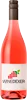
Weingut NopperGrauburgunder Spätlese Trocken
 White wine
In the mouth this white wine is a .
This wine generally goes well with pork, cured meat or mushrooms.

Taste structure of the Grauburgunder Spätlese Trocken from the Weingut Nopper
Light | Bold | |
Dry | Sweet | |
Soft | Acidic |
In the mouth the Grauburgunder Spätlese Trocken of Weingut Nopper in the region of Baden is a .
Food and wine pairings with Grauburgunder Spätlese Trocken
Pairings that work perfectly with Grauburgunder Spätlese Trocken


Original food and wine pairings with Grauburgunder Spätlese Trocken

The Grauburgunder Spätlese Trocken of Weingut Nopper matches generally quite well with dishes of pork, spicy food or mushrooms such as recipes of ham and cheese cake, coconut chicken and curry or korean bibimbap.
Details and technical informations about Weingut Nopper's Grauburgunder Spätlese Trocken.
Discover the grape variety: Cerceal Branco
Lively and structured dry whites with a pale golden colour, slender palate and very marked razor-sharp acidity, with signature aromas of citrus (lemon), green apple, white flowers and mineral notes. An airy and taut profile. A component of Bairrada sparkling wines (base for effervescents) and present in Dão DOC. Known as Sercial in Madeira, where it signs the great dry Madeiras. An indigenous Portuguese white variety from Bairrada and Dão.
Informations about the Weingut Nopper
The Weingut Nopper is one of of the world's greatest estates. It offers 13 wines for sale in the of Baden to come and discover on site or to buy online.

The wine region of Baden
German capital of Pinot Noir (Spätburgunder): silky, fine reds with notes of red fruits, cherry, undergrowth and sweet spices, melted tannins. Round Grauburgunder (Pinot Gris), lively Weissburgunder, supple Müller-Thurgau, mineral Riesling. Germany's 3rd region (15,000 ha) in Baden-Württemberg facing Alsace, one of the country's warmest climates, volcanic soils at the Kaiserstuhl. Cradle of modern great German reds, elegant and fine.
The word of the wine: Aging on lees
Maturing on the lees enhances the stability, aromatic complexity and texture of white wines, which gain in body and volume. This phenomenon is induced by autolysis, the process of self-degradation of the lees.