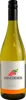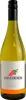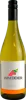
Weingut HammHammlet Spätburgunder Blanc de Noir Feinherb
 White wine


This wine generally goes well with vegetarian

Food and wine pairings with Hammlet Spätburgunder Blanc de Noir Feinherb
Pairings that work perfectly with Hammlet Spätburgunder Blanc de Noir Feinherb

Original food and wine pairings with Hammlet Spätburgunder Blanc de Noir Feinherb
The Hammlet Spätburgunder Blanc de Noir Feinherb of Weingut Hamm matches generally quite well with dishes of vegetarian such as recipes of quiche with bacon and gruyère cheese.
Details and technical informations about Weingut Hamm's Hammlet Spätburgunder Blanc de Noir Feinherb.
Discover the grape variety: Dorona
Structured, marine dry whites with an intense golden robe, an ample palate with saline acidity. Signature aromas of candied citrus, yellow fruits, aromatic herbs and iodine notes from the Venetian lagoon. Singular profile. Symbol of lagoon viticulture, grown in tiny quantities on the islands of Mazzorbo and Sant'Erasmo by committed producers. A native Italian white grape from Veneto, nearly extinct, recently rediscovered.
Last vintages of this wine
The best vintages of Hammlet Spätburgunder Blanc de Noir Feinherb from Weingut Hamm are 0
Informations about the Weingut Hamm
The Weingut Hamm is one of of the world's greatest estates. It offers 39 wines for sale in the of Rheingau to come and discover on site or to buy online.

The wine region of Rheingau
Historic cradle of great German Riesling: age-worthy whites of rare precision, from taut dry (Trocken) to botrytised sweet (Auslese, Beerenauslese, TBA) with notes of peach, citrus, acacia honey, noble petrol and slatey minerality. Riesling king on ~80% of the vineyard. Also Spätburgunder (Pinot Noir, 8%), notably the fine, silky Assmannshausen. 3,100 ha on south-facing slopes overlooking the Rhine (Hesse).
The word of the wine: Wort
Juice before fermentation, still loaded with sugar.