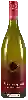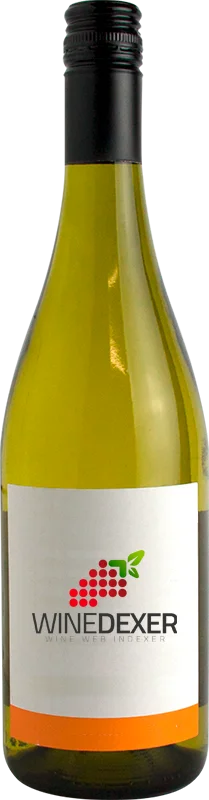
Winery SchätzleSchelinger Grauburgunder Trocken
 White wine


In the mouth this white wine is a .
This wine generally goes well with pork, cured meat or mushrooms.

Taste structure of the Schelinger Grauburgunder Trocken from the Winery Schätzle
Light | Bold | |
Dry | Sweet | |
Soft | Acidic |
In the mouth the Schelinger Grauburgunder Trocken of Winery Schätzle in the region of Baden is a .
Food and wine pairings with Schelinger Grauburgunder Trocken
Pairings that work perfectly with Schelinger Grauburgunder Trocken


Original food and wine pairings with Schelinger Grauburgunder Trocken

The Schelinger Grauburgunder Trocken of Winery Schätzle matches generally quite well with dishes of pork, spicy food or mushrooms such as recipes of wild boar bourguignon, shrimp in coconut milk curry or veal paupiettes with mushrooms.
Details and technical informations about Winery Schätzle's Schelinger Grauburgunder Trocken.
Discover the grape variety: Verduzzo Friulano
Structured, aromatic dry whites with a pale golden colour, a full palate and preserved acidity, showing signature aromas of yellow fruits (pear, apricot), white flowers (acacia), almond and mineral notes. Also the pillar of round, luscious Ramandolo passito sweet wines with honey and dried fruits. Star of the Ramandolo DOCG and Colli Orientali del Friuli Verduzzo DOC appellations. Native white variety from Friuli, Italy.
Last vintages of this wine
The best vintages of Schelinger Grauburgunder Trocken from Winery Schätzle are 0
Informations about the Winery Schätzle
The Winery Schätzle is one of of the world's greatest estates. It offers 48 wines for sale in the of Baden to come and discover on site or to buy online.

The wine region of Baden
German capital of Pinot Noir (Spätburgunder): silky, fine reds with notes of red fruits, cherry, undergrowth and sweet spices, melted tannins. Round Grauburgunder (Pinot Gris), lively Weissburgunder, supple Müller-Thurgau, mineral Riesling. Germany's 3rd region (15,000 ha) in Baden-Württemberg facing Alsace, one of the country's warmest climates, volcanic soils at the Kaiserstuhl. Cradle of modern great German reds, elegant and fine.
The word of the wine: Barrel
Bordeaux barrel of 225 litres, used to determine the tonneau (unit of measurement corresponding to four barrels, or 900 litres).