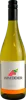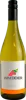
Weingut DüringerGrauburgunder
 White wine



In the mouth this white wine is a .
This wine generally goes well with pork, cured meat or mushrooms.
Taste structure of the Grauburgunder from the Weingut Düringer
Light | Bold | |
Dry | Sweet | |
Soft | Acidic |
In the mouth the Grauburgunder of Weingut Düringer in the region of Baden is a .
Food and wine pairings with Grauburgunder
Pairings that work perfectly with Grauburgunder


Original food and wine pairings with Grauburgunder

The Grauburgunder of Weingut Düringer matches generally quite well with dishes of pork, spicy food or mushrooms such as recipes of gloom and doom, creole chipolatas or sauté of veal with the moulinex cookeo.
Details and technical informations about Weingut Düringer's Grauburgunder.
Discover the grape variety: Mireille
A cross between Italia and Perle de Csaba, registered in 1972 in the Official Catalogue of cultivated table grape varieties, list A1. Mireille has been very little propagated and is therefore almost unknown in France and abroad. - Synonymy: no known synonyms (for all the synonyms of the varieties, click here!).
Last vintages of this wine
The best vintages of Grauburgunder from Weingut Düringer are 0
Informations about the Weingut Düringer
The Weingut Düringer is one of of the world's greatest estates. It offers 16 wines for sale in the of Baden to come and discover on site or to buy online.

The wine region of Baden
Baden is the southernmost of Germany's 13 official wine regions. It is also the warmest. Its relatively sunny, DryClimate permits the production of good-quality Spätburgunder (Pinot Noir) and ripe, relatively Full-bodied">Full-bodied examples of Grauburgunder (Pinot Gris) and Weissburgunder (Pinot Blanc). These are often made in oaked styles.
The word of the wine: Beurré
Typical aroma of white wines aged in oak barrels and wines that have undergone malolactic fermentation.