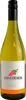
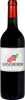
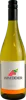
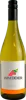
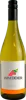
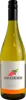
Winery Wein WolffEdition Jan Wolff Rot
 wine
wine
This wine generally goes well with
The Edition Jan Wolff Rot of the Winery Wein Wolff is in the top 0 of wines of Nahe.

Details and technical informations about Winery Wein Wolff's Edition Jan Wolff Rot.
Discover the grape variety: Fetească regală
Lively, aromatic whites to drink young, with a pale golden robe and an airy palate, with signature aromas of citrus (lemon, grapefruit), white flowers (acacia), green apple and fresh herbal notes. Also as sparkling and sweet wines. One of the most planted varieties in Romania, producing accessible dry and medium-dry wines across all regions. Romanian white variety obtained in 1920 at Daneș (fetească albă × grasă de Cotnari).
Informations about the Winery Wein Wolff
The Winery Wein Wolff is one of of the world's great estates. It offers 16 wines for sale in the of Nahe to come and discover on site or to buy online.

The wine region of Nahe
Homeland of a mineral Riesling of exceptional geological expression: lively, precise whites with notes of peach, citrus, green apple, gunflint and fine salinity, from taut dry to botrytised sweet. 75% whites, Riesling king (27%) complemented by round Pinot Gris and supple Pinot Blanc. Rising reds: silky Spätburgunder with red fruit, darker Dornfelder. 4,240 ha along the Nahe river, among the most diverse soils in Germany (180 formations).
The word of the wine: Chopine
Small bottle with a capacity of 50 centilitres.