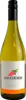
Winery Walter BeisiegelNahe Weißburgunder Classic
 White wine
In the mouth this white wine is a with a nice freshness.
This wine generally goes well with rich fish (salmon, tuna etc), shellfish or mild and soft cheese.
Taste structure of the Nahe Weißburgunder Classic from the Winery Walter Beisiegel
Light | Bold | |
Dry | Sweet | |
Soft | Acidic |
In the mouth the Nahe Weißburgunder Classic of Winery Walter Beisiegel in the region of Nahe is a with a nice freshness.
Food and wine pairings with Nahe Weißburgunder Classic
Pairings that work perfectly with Nahe Weißburgunder Classic



Original food and wine pairings with Nahe Weißburgunder Classic

The Nahe Weißburgunder Classic of Winery Walter Beisiegel matches generally quite well with dishes of rich fish (salmon, tuna etc), shellfish or mild and soft cheese such as recipes of pumpkin and tuna gratin, squid with garlic and parsley or avocado burger.
Details and technical informations about Winery Walter Beisiegel's Nahe Weißburgunder Classic.
Discover the grape variety: Pavana
A very old grape variety grown mainly in Italy. Nowadays, it can be found much more in the Trentino region and in the province of Bellino, ... in France it is almost unknown. Note that it is related to Schiava Lombardo and Turca.
Informations about the Winery Walter Beisiegel
The Winery Walter Beisiegel is one of of the world's great estates. It offers 7 wines for sale in the of Nahe to come and discover on site or to buy online.

The wine region of Nahe
Nahe is one of the smaller German wine regions, named after the Nahe river which joins the Rhein at Rheinhessen/bingen">Bingen. The viticultural carea here is characterised by dramatic topography with steep slopes and craggy outcrops of metamorphic rock. Like most of the regions on or near the Rhine, its most prestigious wines are made from Riesling. There are around 4,000 hectares (10,000 acres) of Vineyards, spread across seven Grosslagen (wine districts) and over 300 Einzellagen (individual vineyard sites).
The word of the wine: Cinsault
Cinsault is a southern black grape variety that can be found in the blends of most Mediterranean appellations, but most often as an accessory grape variety. It is undoubtedly most present in certain rosé wines (in Corbières, Côtes-de-Provence, etc.): it gives these wines highly appreciated aromas of strawberry, peach and raspberry. In vin de pays (IGP), it is often vinified on its own, usually as a rosé.