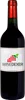
Winery VorizanakiΝεχτάρι Ερυθρός Ημίγλυκος (Nectar Medium Sweet Red)
 Red wine


This wine generally goes well with

Details and technical informations about Winery Vorizanaki's Νεχτάρι Ερυθρός Ημίγλυκος (Nectar Medium Sweet Red).
Discover the grape variety: Torrontés
Highly aromatic, floral whites best drunk young; pale golden hue, ample body with fresh acidity; intense signature aromas of rose, jasmine, peach, apricot and citrus (lemon). Fragrant Andean profile. Undisputed star of Argentine whites, especially at high Andean altitudes, notably in the Cafayate valley in Salta. Argentina's emblematic white grape, a cross of Muscat × Criolla Chica.
Last vintages of this wine
The best vintages of Νεχτάρι Ερυθρός Ημίγλυκος (Nectar Medium Sweet Red) from Winery Vorizanaki are 0
Informations about the Winery Vorizanaki
The Winery Vorizanaki is one of of the world's great estates. It offers 26 wines for sale in the of Crete to come and discover on site or to buy online.

The wine region of Crete
Largest Greek island and 2nd national wine region, millennia-old Minoan heritage. Signature native Vidiano in whites, rediscovered jewel: ample, expressive with signature apricot, yellow peach, white flowers, honey, tropical fruit and a mineral touch, round and long palate. Also fresh lemony Vilana, rare Plyto and Thrapsathiri. Liatiko reds (most planted) supple with cherry, dried herbs and spice; fruity Kotsifali, tannic Mandilari.
The word of the wine: Fees
This wine is characterized by a pleasant nervousness and an overall sensation of freshness on the palate, reinforced by minerality, a note of bitterness, a hint of CO2, and of course an appropriate serving temperature.