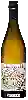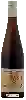
Weingut VolzBlanc de Noir Spätburgunder Kabinett Trocken
 wine
wine
This wine generally goes well with
The Blanc de Noir Spätburgunder Kabinett Trocken of the Weingut Volz is in the top 0 of wines of Pfalz.
Details and technical informations about Weingut Volz's Blanc de Noir Spätburgunder Kabinett Trocken.
Discover the grape variety: Gamay à jus blanc
Typical Burgundian grape variety. According to published genetic analyses, it is the result of a natural cross between Pinot and Gouais, which are the same parents of Melon. Gamay is registered in the Official Catalogue of wine grape varieties, list A1.
Informations about the Weingut Volz
The Weingut Volz is one of of the world's greatest estates. It offers 25 wines for sale in the of Pfalz to come and discover on site or to buy online.

The wine region of Pfalz
Pfalz is a key wine producing region in western Germany, located between the Rhein/Rhine river and the low-lying Haardt mountain range (a natural continuation of the Alsatian Vosges). It covers a rectangle of land 45 miles (75km) Long and 15 miles (25km) wide. To the NorthLiesRheinhessen; to the South, the French border and Alsace. In terms of both quality and quantity, Pfalz is one of Germany's most important regions, and one which shows great promise for the future.
The word of the wine: SR
A company of harvesters and handlers who have pooled their equipment (press, vats, etc.).