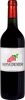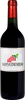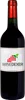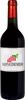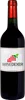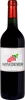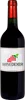
Winery Vinos MagaEncanto Carignan
 wine
wine
This wine generally goes well with
The Encanto Carignan of the Winery Vinos Maga is in the top 0 of wines of Valle de Guadalupe.

Details and technical informations about Winery Vinos Maga's Encanto Carignan.
Discover the grape variety: Optima
Aromatic, full-bodied whites with a pale golden robe, a supple palate and moderate acidity, showing signature muscat aromas, white flowers (elderflower, acacia), yellow fruits (pear, peach, apricot) and honeyed notes. An early-ripening profile, vinified dry, sweet and botrytised. Grown in Germany (Mosel, Rheinhessen) and England for aromatic white wines. A German variety created in 1929 at Geilweilerhof ((Silvaner × Riesling) × Müller-Thurgau).
Informations about the Winery Vinos Maga
The Winery Vinos Maga is one of of the world's greatest estates. It offers 8 wines for sale in the of Valle de Guadalupe to come and discover on site or to buy online.

The wine region of Valle de Guadalupe
Mexico's wine capital (~90% of national production) in Baja California: an eclectic Mediterranean palette — structured Cabernet Sauvignon (blackcurrant, cedar), supple Merlot, spicy Zinfandel in reds. Exceptional signature Nebbiolo (LA Cetto, one of the best outside Piedmont) with notes of cherry, rose, tar and firm tannins. Tempranillo, Sangiovese, Syrah complement. Chardonnay and Sauvignon in whites.
The wine region of North
North Israel encompasses Upper and Lower Galilee plus the Golan, vineyards at altitude on limestone soils, volcanic basalt and draining gravels, climate tempered by strong day-night swings. Cabernet Sauvignon, Merlot and Syrah are the signature reds — full-bodied and precise with notes of blackcurrant, black cherry, blackberry, garrigue and a mineral touch, ripe tannins and preserved freshness. Historic Carignan. Taut Chardonnay and lively Sauvignon in whites.
The word of the wine: Deposit
Solid particles that can naturally coat the bottom of a bottle of wine. It is rather a guarantee that the wine has not been mistreated: in fact, to avoid the natural deposit, rather violent processes of filtration or cold passage (- 7 or - 8 °C) are used in order to precipitate the tartar (the small white crystals that some people confuse with crystallized sugar: just taste to dissuade you from it)