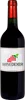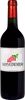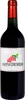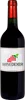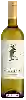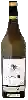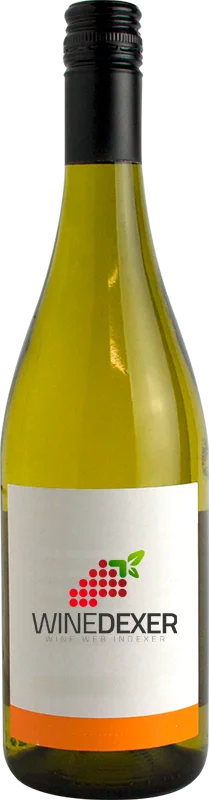
Winery VinitrioL' Authentique Sauvignon
 White wine
In the mouth this white wine is a .
This wine generally goes well with vegetarian, poultry or lean fish.

Taste structure of the L' Authentique Sauvignon from the Winery Vinitrio
Light | Bold | |
Dry | Sweet | |
Soft | Acidic |
In the mouth the L' Authentique Sauvignon of Winery Vinitrio in the region of Pays d'Oc is a .
Food and wine pairings with L' Authentique Sauvignon
Pairings that work perfectly with L' Authentique Sauvignon



Original food and wine pairings with L' Authentique Sauvignon


The L' Authentique Sauvignon of Winery Vinitrio matches generally quite well with dishes of pasta, vegetarian or poultry such as recipes of pasta with auvergne blue cheese, broccoli and blue cheese quiche without pastry or okonomiyaki or japanese 'pancake.
Details and technical informations about Winery Vinitrio's L' Authentique Sauvignon.
Discover the grape variety: Pinot grigio
Crisp, light dry whites with a pale, sometimes copper-tinged robe, slender palate and fresh acidity, showing delicate aromas of citrus (lemon, grapefruit), green apple, pear, white flowers, almond and mineral notes. Refreshing profile. Absolute star of northern Italy: Pinot Grigio delle Venezie DOC, Friuli Colli Orientali DOC, Alto Adige DOC and Trentino DOC. Italian synonym for Burgundy's pinot gris (grey mutation of pinot noir), one of Italy's most exported whites.
Informations about the Winery Vinitrio
The Winery Vinitrio is one of of the world's great estates. It offers 73 wines for sale in the of Pays d'Oc to come and discover on site or to buy online.

The wine region of Pays d'Oc
The single-grape IGP par excellence: modern, accessible, frank and fruity wines, the popular signature of the Midi. Spicy Syrah reds (pepper, blackberry), round Merlot, structured Cabernet, generous Grenache, supple Cinsault. Crisp, tangy rosés. Opulent Chardonnay whites, lively Sauvignon, floral, apricoty Viognier.
The word of the wine: Yeast
Micro-organisms at the base of all fermentative processes. A wide variety of yeasts live and thrive naturally in the vineyard, provided that treatments do not destroy them. Unfortunately, their replacement by laboratory-selected yeasts is often the order of the day and contributes to the standardization of the wine. Yeasts are indeed involved in the development of certain aromas.