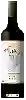
Winery Vinhas do TempoCuvée A
 Red wine



In the mouth this red wine is a with a nice freshness.
This wine generally goes well with poultry, beef or veal.

Taste structure of the Cuvée A from the Winery Vinhas do Tempo
Light | Bold | |
Smooth | Tannic | |
Dry | Sweet | |
Soft | Acidic |
In the mouth the Cuvée A of Winery Vinhas do Tempo in the region of Rio Grande do Sul is a with a nice freshness.
Food and wine pairings with Cuvée A
Pairings that work perfectly with Cuvée A



Original food and wine pairings with Cuvée A

The Cuvée A of Winery Vinhas do Tempo matches generally quite well with dishes of beef, veal or game (deer, venison) such as recipes of daube niçoise, sauté of veal with chorizo or duck confit parmentier.
Details and technical informations about Winery Vinhas do Tempo's Cuvée A.
Discover the grape variety: Pinot noir
Elegant reds, light in colour with silky tannins, showing strawberry, cherry and raspberry aromas, evolving to forest floor, mushroom and spice with age. Fresh acidity, delicate finish. Star of the Côte d'Or (Romanée-Conti, Chambertin, Volnay), pillar of Champagne (Blanc de Noirs) and signature of Oregon, Central Otago and Sonoma Coast. An early-ripening Burgundian variety, one of the world's greatest.
Last vintages of this wine
The best vintages of Cuvée A from Winery Vinhas do Tempo are 2020, 0
Informations about the Winery Vinhas do Tempo
The Winery Vinhas do Tempo is one of of the world's greatest estates. It offers 2 wines for sale in the of Rio Grande do Sul to come and discover on site or to buy online.

The wine region of Rio Grande do Sul
Brazil's winemaking heart (~80% of production), Italian tradition. Recognised specialty: traditional-method sparkling wines (espumantes), fresh and fruity, based on Chardonnay and Pinot Noir, among South America's finest. Accessible reds: supple, fruity Merlot (plum, cherry), fleshy Cabernet Sauvignon, dense, tannic Tannat. Round Chardonnay, light Riesling Italico, sweet, floral Moscato whites.
The word of the wine: Discharge
In the traditional method, elimination of the yeast deposit formed during the second fermentation in the bottle.