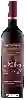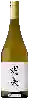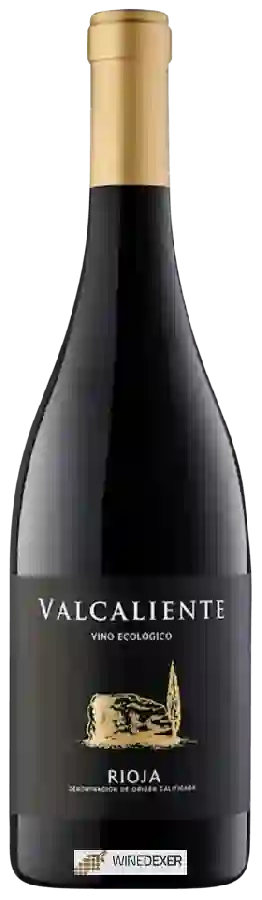
Winery Viñedos Ruiz JiménezValcaliente Ecológico
 Red wine


In the mouth this red wine is a powerful with a nice balance between acidity and tannins.
This wine generally goes well with poultry, beef or veal.
Taste structure of the Valcaliente Ecológico from the Winery Viñedos Ruiz Jiménez
Light | Bold | |
Smooth | Tannic | |
Dry | Sweet | |
Soft | Acidic |
In the mouth the Valcaliente Ecológico of Winery Viñedos Ruiz Jiménez in the region of Rioja is a powerful with a nice balance between acidity and tannins.
Food and wine pairings with Valcaliente Ecológico
Pairings that work perfectly with Valcaliente Ecológico



Original food and wine pairings with Valcaliente Ecológico

The Valcaliente Ecológico of Winery Viñedos Ruiz Jiménez matches generally quite well with dishes of beef, lamb or veal such as recipes of millet with gruyere cheese, harira algerian soup or osso bucco of veal.
Details and technical informations about Winery Viñedos Ruiz Jiménez's Valcaliente Ecológico.
Discover the grape variety: Camaralet de Lasseube
The camaralet of Lasseube has its origins in the Pyrenees, in Bearn. It can be called gentil aromatique, petit camarau or moustardet. Its bunches are of medium size but its berries are small. The berries turn golden yellow when they reach maturity. This grape variety has two approved clones since 1998: 1023 and 1024. It occupies a little less than one hectare in France and is often vinified with other grape varieties such as lauzet and gros manseng. Camaralet de Lasseube is matured about twenty days after Chasselas. Its more or less compact and winged bunches are not affected by grey rot until after maturity. Its female flowers often expose this grape variety to significant risks of coulure, which makes it possible to obtain an alcoholic wine that is full-bodied but fine. Depending on the type, the aromas of the camaralet de Lasseube may recall fennel, pepper or cinnamon.
Last vintages of this wine

The best vintages of Valcaliente Ecológico from Winery Viñedos Ruiz Jiménez are 2013, 2014, 0, 2011 and 2010.
Informations about the Winery Viñedos Ruiz Jiménez
The Winery Viñedos Ruiz Jiménez is one of of the world's greatest estates. It offers 40 wines for sale in the of Rioja to come and discover on site or to buy online.

The wine region of Rioja
Rioja, in northern Spain, is best known for its berry-flavored, barrel-aged red wines made from Tempranillo and Garnacha. It is probably the leading wine region in Spain. It is certainly the most famous, rivaling only Jerez. The Vineyards follow the course of the Ebro for a hundred kilometres between the towns of Haro and Alfaro.
The word of the wine: Reassembly
During the vinification process, a "cap" is formed at the top of the vats with the solid parts (skin, pulp, pips, etc.), which contain tannins and colouring elements. Pumping over consists of emptying the vat from the bottom and pouring the juice back to the top, in order to mix the cap and the juice and to favour the exchange and the extraction. This old technique allows a better exchange between the solid parts and the liquid.