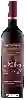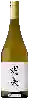
Winery Viñedos Ruiz JiménezGarnacha
 Red wine


In the mouth this red wine is a powerful with a nice balance between acidity and tannins.
This wine generally goes well with poultry, beef or veal.
Taste structure of the Garnacha from the Winery Viñedos Ruiz Jiménez
Light | Bold | |
Smooth | Tannic | |
Dry | Sweet | |
Soft | Acidic |
In the mouth the Garnacha of Winery Viñedos Ruiz Jiménez in the region of Rioja is a powerful with a nice balance between acidity and tannins.
Food and wine pairings with Garnacha
Pairings that work perfectly with Garnacha



Original food and wine pairings with Garnacha

The Garnacha of Winery Viñedos Ruiz Jiménez matches generally quite well with dishes of beef, lamb or veal such as recipes of polish goulash, moroccan style leg of lamb or slow-cooked veal roast.
Details and technical informations about Winery Viñedos Ruiz Jiménez's Garnacha.
Discover the grape variety: Moschofilero
A very old variety cultivated in Greece, even today, especially in the Peloponnese region. It belongs to a large family called fileri or phileri, and the differences between the clones are sometimes quite marked. In France, it is almost unknown - however, it is registered in the Official Catalogue of wine grape varieties, list A1 - and plantations have been attempted in the United States, ... .
Last vintages of this wine

The best vintages of Garnacha from Winery Viñedos Ruiz Jiménez are 2015, 2018, 2017, 0 and 2016.
Informations about the Winery Viñedos Ruiz Jiménez
The Winery Viñedos Ruiz Jiménez is one of of the world's greatest estates. It offers 40 wines for sale in the of Rioja to come and discover on site or to buy online.

The wine region of Rioja
Rioja, in northern Spain, is best known for its berry-flavored, barrel-aged red wines made from Tempranillo and Garnacha. It is probably the leading wine region in Spain. It is certainly the most famous, rivaling only Jerez. The Vineyards follow the course of the Ebro for a hundred kilometres between the towns of Haro and Alfaro.
The word of the wine: Severe
Said of a red wine that is generally young, very marked by tannins and astringent. See austere.