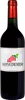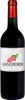
Winery Vinařství Popela PernáModrý Portugal Pozdní Sběr
 Red wine
This wine generally goes well with
Details and technical informations about Winery Vinařství Popela Perná's Modrý Portugal Pozdní Sběr.
Discover the grape variety: Babic
This is an old indigenous variety that has been cultivated for a long time in Croatia, especially in central and southern Dalmatia. It can also be found in Hungary, in the former Yugoslavia to which Croatia belonged... in France it is almost unknown. It should be noted that it would be related with the dobricic and thus also with the plavac mali its son. Babic should not be confused with babica crni, another Croatian black grape variety.
Informations about the Winery Vinařství Popela Perná
The Winery Vinařství Popela Perná is one of of the world's great estates. It offers 30 wines for sale in the of Mikulovska to come and discover on site or to buy online.

The wine region of Mikulovska
The wine region of Mikulovska is located in the region of Morava of Czech Republic. Wineries and vineyards like the Domaine Vinařství Volařík or the Domaine Vinařství Volařík produce mainly wines white, sweet and red. The most planted grape varieties in the region of Mikulovska are Riesling, Chardonnay and Merlot, they are then used in wines in blends or as a single variety. On the nose of Mikulovska often reveals types of flavors of strawberries, apples or floral and sometimes also flavors of tropical fruit, oak or vanilla.
The wine region of Morava
Moravia, with roughly 95 percent of the nation's Vine plantings, is the engine room of the Czech Republic's wine industry. The Center of intensively farmed bulk-wine production is also showing great promise as a producer of quality white wines. This is largely thanks to its cool Climate, comparable in many ways to that in Nahe or Pfalz, the white-wine specialists a few hundred miles west in Germany. Moravian winelands enjoy a Vineyard year well suited to the production of Complex aromatics with good Acidity.
The word of the wine: Muscat blanc à petits grains
A white grape variety cultivated since antiquity on the shores of the Mediterranean, it is considered the noblest of the muscats. It is mainly used to make sweet wines, often from mutage. In France, it is the sole variety used in many natural sweet wines: muscat-de-frontignan, muscat-de-mireval, muscat-de-lunel, muscat-de-saint-jean-de-minervois, muscat-de-beaumes-de-venise, muscat-du-cap-corse. Combined with Muscat d'Alexandrie, it gives Muscat-de-Rivesaltes. It is also used to make sparkling white wines (clairette-de-die; moscato d'asti and asti spumante in Italy) and dry wines (alsace-muscat). Powerfully aromatic and complex, its wines evoke fresh grapes, roses, exotic fruits, citrus fruits and spices.