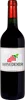
Winery Vinařství Popela PernáCabernet Moravia Pozdní Sběr
 Red wine
This wine generally goes well with
Details and technical informations about Winery Vinařství Popela Perná's Cabernet Moravia Pozdní Sběr.
Discover the grape variety: Superior seedless
This variety was obtained in 1972 in the United States by Superior Farming Co. by crossing the cardinal with an unnamed apyrene variety. Superior seedless is present in Italy (Puglia), Spain, Morocco, Argentina and the United States (California, etc.).
Informations about the Winery Vinařství Popela Perná
The Winery Vinařství Popela Perná is one of of the world's great estates. It offers 30 wines for sale in the of Mikulovska to come and discover on site or to buy online.

The wine region of Mikulovska
The wine region of Mikulovska is located in the region of Morava of Czech Republic. Wineries and vineyards like the Domaine Vinařství Volařík or the Domaine Vinařství Volařík produce mainly wines white, sweet and red. The most planted grape varieties in the region of Mikulovska are Riesling, Chardonnay and Merlot, they are then used in wines in blends or as a single variety. On the nose of Mikulovska often reveals types of flavors of strawberries, apples or floral and sometimes also flavors of tropical fruit, oak or vanilla.
The wine region of Morava
Moravia, with roughly 95 percent of the nation's Vine plantings, is the engine room of the Czech Republic's wine industry. The Center of intensively farmed bulk-wine production is also showing great promise as a producer of quality white wines. This is largely thanks to its cool Climate, comparable in many ways to that in Nahe or Pfalz, the white-wine specialists a few hundred miles west in Germany. Moravian winelands enjoy a Vineyard year well suited to the production of Complex aromatics with good Acidity.
The word of the wine: Drawing (liqueur de)
In champagne and sparkling wines of traditional method, addition to the wine, at the time of bottling (tirage) of sugars and yeasts dissolved in wine. These components will provoke the second fermentation in the bottle leading to the formation of carbon dioxide bubbles.