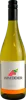
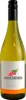
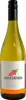
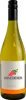
Winery Vinarství KristChardonnay Výběr z Hroznů
 White wine



This wine generally goes well with pork, vegetarian or poultry.

Wine flavors and olphactive analysis

Food and wine pairings with Chardonnay Výběr z Hroznů
Pairings that work perfectly with Chardonnay Výběr z Hroznů



Original food and wine pairings with Chardonnay Výběr z Hroznů

The Chardonnay Výběr z Hroznů of Winery Vinarství Krist matches generally quite well with dishes of pork, rich fish (salmon, tuna etc) or vegetarian such as recipes of pulled pork (us pulled pork ), risotto with fresh salmon and zucchini or quiche without pastry, courgette and blue cheese.
Details and technical informations about Winery Vinarství Krist's Chardonnay Výběr z Hroznů.
Discover the grape variety: Chardonnay
Whites with many faces: mineral and taut at Chablis (lemon, green apple, flint), opulent and buttery at Meursault and Puligny-Montrachet (hazelnut, brioche, yellow fruits), tense and chalky in Champagne (Blanc de Blancs). Also vinified sparkling and widely exported (Sonoma, Margaret River, Casablanca). A Burgundian variety, a cross of Pinot Noir × Gouais Blanc, half-sibling of Aligoté.
Last vintages of this wine
The best vintages of Chardonnay Výběr z Hroznů from Winery Vinarství Krist are 0, 2015
Informations about the Winery Vinarství Krist
The Winery Vinarství Krist is one of of the world's greatest estates. It offers 57 wines for sale in the of Morava to come and discover on site or to buy online.

The wine region of Morava
Predominantly white region, lively and mineral: crisp, peppery Grüner Veltliner, taut Riesling with citrus, supple, floral Müller-Thurgau, aromatic Pálava, the local signature (muscat, white flowers). More discreet reds: spicy Frankovka (Blaufränkisch) with black fruits, fine, silky Saint Laurent. Temperate continental climate, 4 sub-regions: Mikulov, Velké Pavlovice, Znojmo, Slovácko. ~96% of the Czech vineyard, 73 grapes grown.
The word of the wine: Character
Said of a typical wine that stands out for its originality. Used in the plural, it refers to all the organoleptic components of a wine (flavours and tactile sensations).