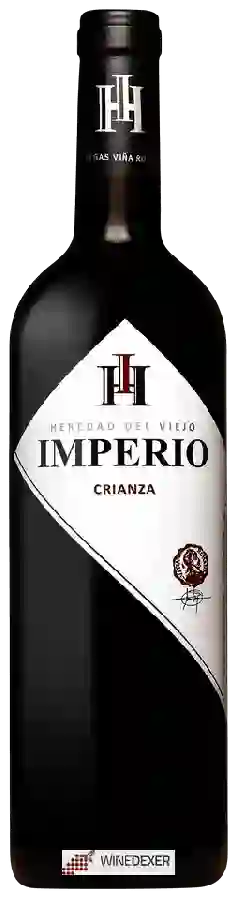
Winery Viña RomanaHeredad del Viejo Imperio Crianza
 Red wine



This wine generally goes well with

Wine flavors and olphactive analysis


On the nose the Heredad del Viejo Imperio Crianza of Winery Viña Romana in the region of Castille-et-Léon often reveals types of flavors of earth, oak.
Details and technical informations about Winery Viña Romana's Heredad del Viejo Imperio Crianza.
Discover the grape variety: Negrara Veronese
Light and fruity reds with a pale ruby robe, melted tannins and a supple palate with preserved acidity, showing signature aromas of cherry, red fruits (raspberry), gentle spices and Venetian herbaceous notes. Airy profile adding freshness to blends. Traditional component of Valpolicella DOC blends in small proportions, signing part of the Venetian ampelographic heritage. Native black Italian grape from Veneto, in the province of Verona.
Last vintages of this wine
The best vintages of Heredad del Viejo Imperio Crianza from Winery Viña Romana are 2012, 2010, 0, 2009
Informations about the Winery Viña Romana
The Winery Viña Romana is one of of the world's greatest estates. It offers 7 wines for sale in the of Arribes to come and discover on site or to buy online.

The wine region of Arribes
Recent DO (2007) of Castile and León along the Duero at the Portuguese border, vineyards on steep riverbanks (the "arribes"), pre-phylloxera old vines. Juan García is the signature red (a native, ~40% of the vineyard, brilliant purple berries): aromatic with red fruits, blackberry, violet, garrigue and a schisty mineral note, supple tannins and medium acidity. Fine Rufete, Tempranillo and Garnacha as complements.
The wine region of Castille-et-Léon
Cradle of great Castilian reds on high-altitude plateaus (450-1000 m) of the Duero. Tempranillo king (Tinto Fino, Tinta de Toro): powerful, structured reds with notes of black cherry, blackberry, plum, leather and spices, firm tannins and length worthy of long ageing. Stars: Ribera del Duero (Vega Sicilia, Pingus), fleshy Toro, Bierzo (fresh mineral Mencía). Lively herbaceous Verdejo whites from Rueda, cut grass and citrus.
The word of the wine: Trader-breeder
In the major wine regions, the négociant does not simply buy and resell the wines but, from very young wines, carries out all the maturing operations until bottling.