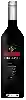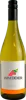
Winery ViloriaSemi Sweet
 wine
wine
This wine generally goes well with
The Semi Sweet of the Winery Viloria is in the top 0 of wines of Valdepeñas.

Details and technical informations about Winery Viloria's Semi Sweet.
Discover the grape variety: Pinot lièbault
Supple and fruity reds with a ruby hue, smooth tannins and an airy palate with fresh acidity, featuring signature aromas of red fruits (cherry, raspberry), floral notes and gentle spices. Burgundian profile, later and more productive than classic Pinot Noir. Now almost extinct, it survives in a few old Burgundy vines and in variety conservation collections. Ancient variety of Pinot Noir selected by Charles Liébault in the 19th century in Burgundy.
Informations about the Winery Viloria
The Winery Viloria is one of of the world's greatest estates. It offers 4 wines for sale in the of Valdepeñas to come and discover on site or to buy online.

The wine region of Valdepeñas
DO of southern Castilla-La Mancha on a high plain (~700 m), kingdom of Tempranillo under an extreme climate ("nine months of winter, three of hell"). Tempranillo, locally Cencibel: structured, fruity reds with signature notes of ripe cherry, plum, vanilla, leather, tobacco and sweet spices, round tannins — excellent value, from young to long oak-aged Gran Reserva. Also Airén whites (Spain's most planted), fresh and neutral. ~24,000-30,000 ha.
The wine region of Castille
Cradle of great Castilian reds, high-altitude plateaus (450-1000 m) along the Duero. Tempranillo king (aka Tinta de Toro, Tinto Fino): powerful, concentrated, structured reds with notes of black cherry, plum, leather, tobacco and spice, firm tannins from altitude and cool nights. Stars: Ribera del Duero (Vega Sicilia, Pingus), fleshy Toro, Bierzo (floral, mineral Mencía). Lively, herbaceous Verdejo whites from Rueda.
The word of the wine: Chaptalization
The addition of sugar at the time of fermentation of the must, an ancient practice, but theorized by Jean-Antoine Chaptal at the dawn of the 19th century. The sugar is transformed into alcohol and allows the natural degree of the wine to be raised in a weak or cold year, or - more questionably - when the winegrower has a harvest that is too large to obtain good maturity.