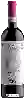
Winery Villa BiancaChianti Colli Senesi
 wine
wine
This wine generally goes well with
The Chianti Colli Senesi of the Winery Villa Bianca is in the top 0 of wines of Chianti Colli Senesi.

Details and technical informations about Winery Villa Bianca's Chianti Colli Senesi.
Discover the grape variety: Dauphine
Simple, fresh dry whites with a pale golden robe, a supple palate with moderate acidity and undemonstrative aromas of citrus and white flowers. Discreet rustic profile. Preserved in some ampelographic collections, one of the ancient heritage varieties whose commercial diffusion has almost disappeared, studied for its genetic and historical interest. Rare, little-documented white grape grown in negligible quantities.
Informations about the Winery Villa Bianca
The Winery Villa Bianca is one of of the world's greatest estates. It offers 6 wines for sale in the of Chianti Colli Senesi to come and discover on site or to buy online.

The wine region of Chianti Colli Senesi
Largest sub-zone of Chianti DOCG (Sienese hills): Sangiovese signature red king (>=75%) — intense ruby with signature notes of cherry, ripe red fruits, violet, light spice and herbal hint, full-bodied yet balanced palate with fine, persistent tannins, fruitier and more digestible style than Chianti Classico, supple tannins from warm climate on clay-sandy soils. DOCG, 6 months oak and 6 months bottle aging, 5-10 years cellaring.
The wine region of Tuscany
Kingdom of Sangiovese: upright reds with cherry, plum, dried herbs and leather, lively acidity and firm tannins. Fleshy, food-friendly Chianti Classico DOCG, deep long-ageing Brunello di Montalcino (spice, tobacco, ripe black fruit), elegant Vino Nobile di Montepulciano. On the coast, Bolgheri crafts the opulent Cabernet- and Merlot-based 'Super Tuscans'. Some fresh white Vernaccia.
The word of the wine: Aging on lees
Maturing on the lees enhances the stability, aromatic complexity and texture of white wines, which gain in body and volume. This phenomenon is induced by autolysis, the process of self-degradation of the lees.