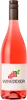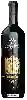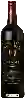
Vignobles Lalande MoreauLe Chevalier Viallard Bordeaux
 Red wine
This wine generally goes well with poultry, beef or veal.

Food and wine pairings with Le Chevalier Viallard Bordeaux
Pairings that work perfectly with Le Chevalier Viallard Bordeaux



Original food and wine pairings with Le Chevalier Viallard Bordeaux

The Le Chevalier Viallard Bordeaux of Vignobles Lalande Moreau matches generally quite well with dishes of beef, veal or game (deer, venison) such as recipes of puchero, slow-cooked veal roast or roast venison with green pepper sauce.
Details and technical informations about Vignobles Lalande Moreau's Le Chevalier Viallard Bordeaux.
Discover the grape variety: Artaban
Supple, fruity reds with a moderate ruby robe, silky tannins and an airy palate with preserved acidity, showing signature aromas of red fruits (cherry, raspberry) and spicy notes. Easy drinking when young. Listed in the official French grape variety catalogue, representing the future of lower-input viticulture and progressively adopted in France. French black hybrid obtained in 2000 by INRA (Resdur1 series), resistant to downy and powdery mildew.
Informations about the Vignobles Lalande Moreau
The Vignobles Lalande Moreau is one of wineries to follow in Bordeaux.. It offers 512 wines for sale in the of Bordeaux to come and discover on site or to buy online.

The wine region of Bordeaux
World-renowned age-worthy reds, led by round Merlot (plum, black fruit) or firm Cabernet Sauvignon (blackcurrant, cedar, graphite), blended with Cabernet Franc and Petit Verdot for tannic structure. Structured Médoc and Graves, velvety Saint-Émilion and Pomerol. Also crisp dry whites (Sauvignon/Sémillon) and opulent sweet Sauternes with honey and candied fruit. A 110,000 ha Gironde vineyard, 65 appellations, cradle of the 1855 classified growths.
The word of the wine: Chaptalization
The addition of sugar at the time of fermentation of the must, an ancient practice, but theorized by Jean-Antoine Chaptal at the dawn of the 19th century. The sugar is transformed into alcohol and allows the natural degree of the wine to be raised in a weak or cold year, or - more questionably - when the winegrower has a harvest that is too large to obtain good maturity.