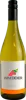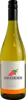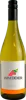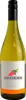
Vignobles BertrandCuvée Réserve 4 Îles Blanc
 White wine
This wine generally goes well with
Details and technical informations about Vignobles Bertrand's Cuvée Réserve 4 Îles Blanc.
Discover the grape variety: Nero
An interspecific cross between Merlot Noir or Medoc Noir x Perle de Csaba and Villard Blanc x Gardonyi Geza, obtained in Hungary in 1965 by Josef Csizmazia. It can be found in the Netherlands, Belgium, Switzerland, Germany, Hungary, Poland, etc. In France, it is practically unknown. It should not be confused with two Italian grape varieties, the nero d'Avola and the nero di troia or uva di troia. Note that it is an ideal variety for amateur gardeners for the simple fact that it does not fear the main cryptogamic diseases such as mildew and oidium, to have an early maturity and moreover its grape is very tasty.
Informations about the Vignobles Bertrand
The Vignobles Bertrand is one of of the world's great estates. It offers 34 wines for sale in the of Charentais to come and discover on site or to buy online.

The wine region of Charentais
The wine region of Charentais is located in the region of Atlantique of Vin de Pays of France. Wineries and vineyards like the Domaine de Garancille or the Domaine de Garancille produce mainly wines red, white and pink. The most planted grape varieties in the region of Charentais are Merlot, Cabernet-Sauvignon and Chardonnay, they are then used in wines in blends or as a single variety. On the nose of Charentais often reveals types of flavors of black fruits, green apple or butter and sometimes also flavors of floral, fresh cut grass or gooseberry.
The wine region of Atlantique
The regional name of Vin de pays de l'Atlantique exists since 2006. For red, rosé and white wines, it brings together 76 producer and Cellar members in Gironde, Dordogne and other departments of Poitou and Aquitaine, for a production of 39. 500 hectolitres of wine, 62% of which is red wine. This denomination is a complement of range of the AOC of Bordeaux.
The word of the wine: De-vatting
Separation of the fermented juice from all solid particles (skin, pips, deposit of lees) by transferring it to a second tank.