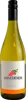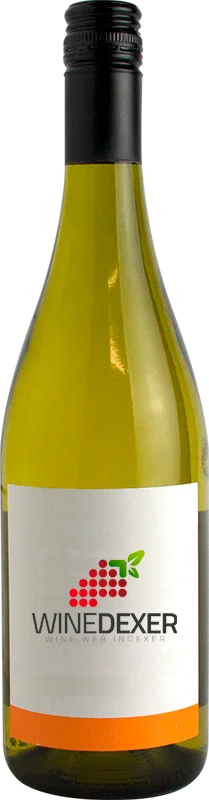
Vignoble de la PerriereLa Placette Coteaux du Layon 'Faye-d'Anjou'
 Sweet wine
This wine generally goes well with
Details and technical informations about Vignoble de la Perriere's La Placette Coteaux du Layon 'Faye-d'Anjou'.
Discover the grape variety: Ribol
Ribol noir is a grape variety that originated in France (Languedoc). It produces a variety of grape used for wine making. However, it can also be found eating on our tables! You can find Ribol noir grown in these vineyards: South West, Cognac, Bordeaux, Languedoc & Roussillon, Rhone Valley, Provence & Corsica.
Informations about the Vignoble de la Perriere
The Vignoble de la Perriere is one of of the world's greatest estates. It offers 4 wines for sale in the of Coteaux du Layon 'Faye-d'Anjou' to come and discover on site or to buy online.

The wine region of Coteaux du Layon 'Faye-d'Anjou'
The wine region of Coteaux du Layon 'Faye-d'Anjou' is located in the region of Côteaux du Layon of Loire Valley of France. Wineries and vineyards like the Domaine des Quarres or the Domaine Pierre Menard produce mainly wines white, sweet and red. The most planted grape varieties in the region of Coteaux du Layon 'Faye-d'Anjou' are Chenin blanc, they are then used in wines in blends or as a single variety. On the nose of Coteaux du Layon 'Faye-d'Anjou' often reveals types of flavors of tree fruit, honey or earth.
The wine region of Loire Valley
The Loire Valley is a key wine region in western France. It follows the course of the Loire River on its Long journey through the heart of France, from the inland hills of the Auvergne to the plains of the French Atlantic coast near Nantes (Muscadet country). Important in terms of quantity and quality, the region produces large quantities (about 4 million h/l each year) of everyday wines, as well as some of France's greatest wines. Diversity is another of the region's major assets; the styles of wine produced here range from the light, tangy Muscadet to the Sweet, honeyed Bonnezeaux, the Sparkling whites of Vouvray and the juicy, Tannic reds of Chinon and Saumur.
The word of the wine: Maceration
Prolonged contact and exchange between the juice and the grape solids, especially the skin. Not to be confused with the time of fermentation, which follows maceration. The juice becomes loaded with colouring matter and tannins, and acquires aromas. For a rosé, the maceration is short so that the colour does not "rise" too much. For white wines too, a "pellicular maceration" can be practised, which allows the wine to acquire more fat.