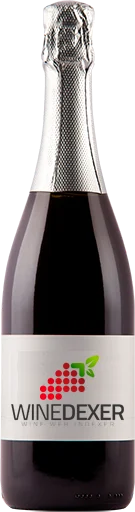
Winery Vigneti in Val TidoneBonarda Ambile Frizzante
 Sparkling wine


This wine generally goes well with

Details and technical informations about Winery Vigneti in Val Tidone's Bonarda Ambile Frizzante.
Discover the grape variety: Madina
Simple, fresh dry grey-whites with a pale pink, copper-tinted robe and a supple palate with moderate acidity, with understated aromas of citrus and white flowers. Rustic southern profile. Almost vanished from commercial cultivation, preserved in INRAE variety collections; bears witness to the pre-phylloxera ampelographic diversity of southern French vineyards. Rare French grey variety, once grown in the south-east.
Last vintages of this wine
The best vintages of Bonarda Ambile Frizzante from Winery Vigneti in Val Tidone are 0, 2016, 2014
Informations about the Winery Vigneti in Val Tidone
The Winery Vigneti in Val Tidone is one of of the world's greatest estates. It offers 6 wines for sale in the of Colli Piacentini to come and discover on site or to buy online.

The wine region of Colli Piacentini
DOC of Emilia-Romagna at the far west (Piacenza), a tradition of red frizzante. Star Gutturnio: a dry or sparkling red blend of Barbera (55-70%, lively cherry-and-plum acidity) + Croatina (black-fruit density and a peppery touch), fresh tannins and a light fizz - the Emilian aperitif with charcuterie. Also Bonarda, firm Cabernet Sauvignon, fine Pinot Noir. Fresh whites: aromatic Malvasia (rose, muscat), Trebbiano, lively native Ortrugo, Sauvignon, Chardonnay.
The wine region of Emilia-Romagna
Kingdom of Lambrusco: fresh, fruity sparkling reds (blackberry, cherry, violet), from gourmet dry to convivial off-dry, perfect with local charcuterie. World's best-selling sparkling wine on the Emilia side (Sorbara, Grasparossa, Salamino). East, Romagna: supple fruity Sangiovese, Albana (Italy's 1st white DOCG, 1987) ample and almondy. Also red Gutturnio and white Pignoletto.
The word of the wine: Terroir
Strictly speaking, the notion of terroir corresponds to the geological characteristics of a vineyard. However, when we talk about terroir, we take into account the soil, the climate (even the microclimate), the flora, the fauna, and the human factor that characterizes the practices that make up the art of the craft.