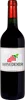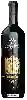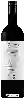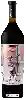
Winery Vignerons de Puisseguin Lussac Saint-EmilionBordeaux supérieur
 wine
wine



This wine generally goes well with poultry, beef or veal.
Food and wine pairings with Bordeaux supérieur
Pairings that work perfectly with Bordeaux supérieur



Original food and wine pairings with Bordeaux supérieur

The Bordeaux supérieur of Winery Vignerons de Puisseguin Lussac Saint-Emilion matches generally quite well with dishes of beef, veal or game (deer, venison) such as recipes of southern beef meatballs, veal with cream and mushrooms or duck confit.
Details and technical informations about Winery Vignerons de Puisseguin Lussac Saint-Emilion's Bordeaux supérieur.
Discover the grape variety: Vidal blanc
An interspecific cross obtained by Jean-Louis Vidal, between Ugni Blanc and 4986 Seibel or Golden Ray, its foliage reminiscent of that of Ugni Blanc. It can be found in the United States and Canada, but is little known in France.
Last vintages of this wine
The best vintages of Bordeaux supérieur from Winery Vignerons de Puisseguin Lussac Saint-Emilion are 2014
Informations about the Winery Vignerons de Puisseguin Lussac Saint-Emilion
The Winery Vignerons de Puisseguin Lussac Saint-Emilion is one of of the world's greatest estates. It offers 33 wines for sale in the of Bordeaux to come and discover on site or to buy online.

The wine region of Bordeaux
Bordeaux, in southwestern France, is one of the most famous, prestigious and prolific wine regions in the world. The majority of Bordeaux wines (nearly 90% of the production Volume) are the Dry, medium and Full-bodied red Bordeaux blends for which it is famous. The finest (and most expensive) are the wines of the great châteaux of Haut-Médoc and the right bank appellations of Saint-Émilion and Pomerol. The former focuses (at the highest level) on Cabernet Sauvignon, the latter on Merlot.
The word of the wine: SR
A company of harvesters and handlers who have pooled their equipment (press, vats, etc.).