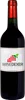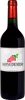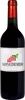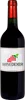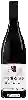
Winery Vieux TinaillerLa Tour des Bancs Morgon
 Red wine



In the mouth this red wine is a with a nice freshness.
This wine generally goes well with pork, poultry or veal.
The La Tour des Bancs Morgon of the Winery Vieux Tinailler is in the top 10 of wines of Morgon.
Taste structure of the La Tour des Bancs Morgon from the Winery Vieux Tinailler
Light | Bold | |
Smooth | Tannic | |
Dry | Sweet | |
Soft | Acidic |
In the mouth the La Tour des Bancs Morgon of Winery Vieux Tinailler in the region of Beaujolais is a with a nice freshness.
Wine flavors and olphactive analysis

On the nose the La Tour des Bancs Morgon of Winery Vieux Tinailler in the region of Beaujolais often reveals types of flavors of strawberries, red fruit.
Food and wine pairings with La Tour des Bancs Morgon
Pairings that work perfectly with La Tour des Bancs Morgon



Original food and wine pairings with La Tour des Bancs Morgon

The La Tour des Bancs Morgon of Winery Vieux Tinailler matches generally quite well with dishes of pasta, veal or pork such as recipes of macaroni and angel hair gratin, country-style veal roulades with risotto or paupiettes with tomato sauce.
Details and technical informations about Winery Vieux Tinailler's La Tour des Bancs Morgon.
Discover the grape variety: Gamay noir
Gamay is a Burgundian grape variety that has existed since the 14th century. For fear of competition with the pinot noir of Burgundy, gamay was finally uprooted and planted in the Beaujolais region, from Mâcon to Lyon. These siliceous and granitic soils suit it perfectly, and it gives its best here. But it is also planted all over France, such as in Lorraine, in the Loire Valley, in Bugey, in Savoie and in Auvergne. Gamay is early and very productive and needs to be limited so that quality prevails over quantity. Short winter pruning of the shoots and high density of vines per hectare are the methods that allow it to produce very fruity, fresh and greedy red wines. Gamay is also very popular in red wine futures, and produces wines from the Beaujolais region with very interesting character and ageing potential. The AOCs Crémant-de-Bourgogne, Mâcon, Anjou, Touraine, Rosé de vallée de la Loire, Côtes-d'Auvergne, Saint-Pourçain, Bugey, Gaillac, Côtes du Luberon... and many vins de pays are proud of it. Today, about 36,000 hectares of Gamay are cultivated in France, including 22,000 hectares in Beaujolais.
Last vintages of this wine
The best vintages of La Tour des Bancs Morgon from Winery Vieux Tinailler are 2014, 2017, 2018, 2015 and 2013.
Informations about the Winery Vieux Tinailler
The Winery Vieux Tinailler is one of of the world's greatest estates. It offers 10 wines for sale in the of Morgon to come and discover on site or to buy online.

The wine region of Morgon
Morgon is one of the ten Beaujolais crus located on the slopes of the Beaujolais hills, on the west bank of the Saône. The appellation applies only to red wines made from the Gamay Grape. Some white grapes are allowed in the Final blend: Chardonnay, Aligoté and Melon de Bourgogne. Although there are no officially defined quantities for these varieties, Morgon's blend is controlled by limiting the proportion of these varieties that are allowed in the Vineyard to a maximum of 15%.
The wine region of Beaujolais
Beaujolais is an important wine region in eastern France, famous for its vibrant, Fruity red wines made from Gamay. It is located immediately South of Burgundy, of which it is sometimes considered a Part, although it is in the administrative region of Rhône. The extensive plantings of Gamay in this region make Beaujolais one of the few regions in the world that is so concentrated on a single Grape variety. Pinot Noir is used in small quantities in red and rosé wines, but in the name of regional identity, it is being phased out and will only be allowed until the 2015 harvest.
The word of the wine: Dosing liqueur (champagne)
Also known as liqueur d'expédition, a solution made up of wine and sugar added to champagne after disgorgement and which determines the type of wine: extra-brut, brut, extra-dry, dry, demi-sec.