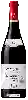
Winery Victor BerardBeaujolais Primeur
 Red wine
In the mouth this red wine is a with a nice freshness.
This wine generally goes well with pork, poultry or veal.

Taste structure of the Beaujolais Primeur from the Winery Victor Berard
Light | Bold | |
Smooth | Tannic | |
Dry | Sweet | |
Soft | Acidic |
In the mouth the Beaujolais Primeur of Winery Victor Berard in the region of Beaujolais is a with a nice freshness.
Food and wine pairings with Beaujolais Primeur
Pairings that work perfectly with Beaujolais Primeur



Original food and wine pairings with Beaujolais Primeur

The Beaujolais Primeur of Winery Victor Berard matches generally quite well with dishes of pasta, veal or pork such as recipes of goat cheese and spinach lasagne, tanjia or chicken bonne femme.
Details and technical informations about Winery Victor Berard's Beaujolais Primeur.
Discover the grape variety: Prima
Simple, light and fruity reds with a pale, lightly coloured ruby robe, smooth tannins, an airy palate with moderate acidity, and understated aromas of red fruits. Rustic, discreet profile. Nearly extinct, preserved in a few varietal collections for its heritage value; among the old varieties whose commercial cultivation has all but disappeared, studied for their genetic and historical interest. Rare French black variety, little documented.
Informations about the Winery Victor Berard
The Winery Victor Berard is one of of the world's great estates. It offers 39 wines for sale in the of Beaujolais to come and discover on site or to buy online.

The wine region of Beaujolais
Kingdom of Gamay (98% of the vineyard): fruity, accessible reds with signature notes of cherry, raspberry, banana (carbonic maceration), violet and sweet spices, supple tannins and juicy acidity. From festive Beaujolais Nouveau (3rd Thursday of November) to the 10 more structured, age-worthy Crus: deep earthy Morgon, sturdy Moulin-à-Vent, floral Fleurie, crunchy Brouilly. Some lively Chardonnay. 12,000 ha south of Burgundy, granitic soils.
The word of the wine: Nouaison
Phase of the vegetative cycle of the vine following flowering and corresponding to the formation of the grape berry.