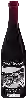
Winery Vasse FelixNoble Botrytised Riesling
 Sweet wine


This wine generally goes well with pork, poultry or appetizers and snacks.

Food and wine pairings with Noble Botrytised Riesling
Pairings that work perfectly with Noble Botrytised Riesling



Original food and wine pairings with Noble Botrytised Riesling


The Noble Botrytised Riesling of Winery Vasse Felix matches generally quite well with dishes of pork, shellfish or poultry such as recipes of tartiflette, my chef's pot or pasta carbonara almost like the real thing.
Details and technical informations about Winery Vasse Felix's Noble Botrytised Riesling.
Discover the grape variety: Riesling
Crystalline, taut whites with vibrant acidity and aromas of citrus, green apple, white flowers, vineyard peach and mineral/petrol notes with age. Made as dry (Trocken, Alsace), off-dry (Kabinett, Spätlese) and sweet (Auslese, Beerenauslese, Trockenbeerenauslese, late harvest). Star of the Moselle, Rheingau, Alsace AOC and Wachau. Also exported to Clare Valley and Finger Lakes.
Last vintages of this wine
The best vintages of Noble Botrytised Riesling from Winery Vasse Felix are 2000, 0, 1996
Informations about the Winery Vasse Felix
The Winery Vasse Felix is one of of the world's great estates. It offers 54 wines for sale in the of Australie de l'Ouest to come and discover on site or to buy online.

The wine region of Australie de l'Ouest
Australian premium on Margaret River. Signature Bordeaux Cabernet-Merlot blends in red: deep and refined with notes of ripe blackcurrant, eucalyptus, cedar and graphite, firm tannins and great ageing, often compared to Médoc. Chardonnay rated Australia's best: taut, saline and mineral (lemon, hazelnut, brioche). Lively Sauvignon-Sémillon (citrus, cut grass).
The word of the wine: Seeds
A maximum of four, located in the heart of the grape berry, they contain tannins and nitrogenous matter.