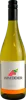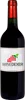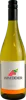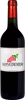
Winery VanguardistHVB
 White wine



This wine generally goes well with poultry, rich fish (salmon, tuna etc) or shellfish.

Food and wine pairings with HVB
Pairings that work perfectly with HVB



Original food and wine pairings with HVB

The HVB of Winery Vanguardist matches generally quite well with dishes of rich fish (salmon, tuna etc), shellfish or sweet desserts such as recipes of fish stew, violet omelette or apple cake.
Details and technical informations about Winery Vanguardist's HVB.
Discover the grape variety: Lambrusco montericco
Lively and fruity sparkling reds with a clear ruby robe and pink foam, soft tannins and a lively effervescent palate with well-marked acidity, signature aromas of red fruits (cherry, strawberry), violet and floral notes. Often blended with Lambrusco Salamino and Maestri, contributes to the reputed Lambrusco di Sorbara DOC of Reggio Emilia. Lambrusco variety grown in Emilia-Romagna.
Last vintages of this wine
The best vintages of HVB from Winery Vanguardist are 2014, 0, 2017
Informations about the Winery Vanguardist
The Winery Vanguardist is one of of the world's greatest estates. It offers 20 wines for sale in the of Hunter Valley to come and discover on site or to buy online.

The wine region of Hunter Valley
Cradle of Australian viticulture (1825), 160 km north of Sydney. World signature: dry low-alcohol Sémillon (10-11°) with fresh citrus notes in youth, evolving after 10-15 years to candied lemon, toast, honey and beeswax, spectacular ageing. Medium-bodied "Hunter style" Shiraz, supple and earthy (leather, plum, sweet spices), capable of decades. Also Chardonnay and Verdelho.
The wine region of Nouvelle-Galles du Sud
Australia's 2nd wine state with diverse regions. Iconic Hunter Valley: a Sémillon unlike any other, straight, low-alcohol dry whites with vivid citrus when young, evolving over 10-20 years toward honey, toast and lanolin. Medium-bodied Hunter Shiraz, spicy and earthy (leather, red fruits). Also round Chardonnay and aromatic Verdelho.
The word of the wine: Removal of shoes
In the spring, this operation consists of removing the mound of earth formed at the foot of the vines by ploughing between the rows in the autumn.