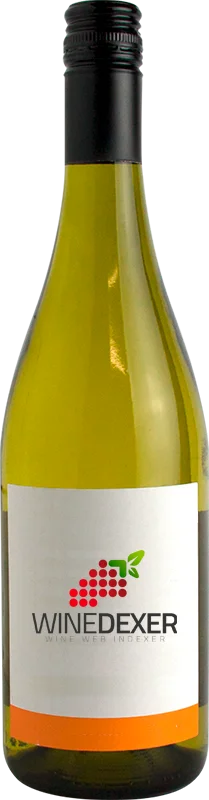
Winery VandenbeldBisous
 Sweet wine



This wine generally goes well with vegetarian, rich fish (salmon, tuna etc) or shellfish.

Food and wine pairings with Bisous
Pairings that work perfectly with Bisous



Original food and wine pairings with Bisous
The Bisous of Winery Vandenbeld matches generally quite well with dishes of rich fish (salmon, tuna etc), shellfish or vegetarian such as recipes of red mullet, mackerel, tuna, salmon sushi, carri of shrimps with chillies or quiche without pastry.
Details and technical informations about Winery Vandenbeld's Bisous.
Discover the grape variety: Negrara Trentino
Light, fruity reds with a clear ruby colour, soft tannins and aromas of red fruits (cherry, raspberry), delicate alpine spices and fresh floral notes. An airy mountain profile best enjoyed young. Preserved for its heritage value, it contributes to artisanal cuvées in Trentino among the rare indigenous varieties of northern Italy.
Informations about the Winery Vandenbeld
The Winery Vandenbeld is one of of the world's greatest estates. It offers 11 wines for sale in the of Côtes de Bergerac to come and discover on site or to buy online.

The wine region of Côtes de Bergerac
Higher hierarchy of the Bergeracois in Périgord: structured complex reds — dominant Merlot blended with Cabernet Franc, Cabernet Sauvignon and Côt, deep robe, aromas of candied fruits and prune, sturdy tannins suitable for 5-10 years of aging. Sweet generous whites on Sémillon, Sauvignon and Muscadelle with notes of honey, candied fruits and apricot, round and fresh palate. Clay-limestone soils, more demanding identity than generic Bergerac.
The wine region of South West
French mosaic of strong identities south of Bordeaux. Cahors and its Malbec ("black wine"): deep reds with notes of blackberry, plum, violet, tobacco and cocoa, firm tannins. Madiran and its dense, age-worthy Tannat. Jurançon whites: golden sweet (apricot, honey, pineapple) and lively dry from Petit Manseng.
The word of the wine: Noble rot
A fungus called botrytis cinerea that develops during the over-ripening phase, an ally of great sweet white wines, when it concentrates the juice of the berries. It requires the humidity of morning fogs and beautiful sunny days, gives musts very rich in sugar and brings to the wines the famous taste of "roasted".