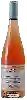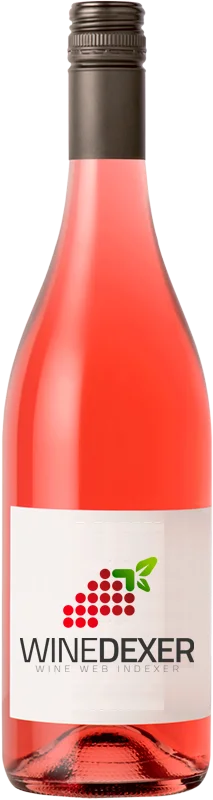
Winery Vallée LoireRosé d'Anjou
 Pink wine


This wine generally goes well with
Details and technical informations about Winery Vallée Loire's Rosé d'Anjou.
Discover the grape variety: Neheleschol
A very ancient table grape, it is mentioned in the Bible. Luigi and Alberto Pirovano of Vaprio d'Adda used it in many of their crosses. - Synonyms: neg(u)elescol, giant of Palestine, white grape of Jerusalem, eparce or eparse, yellow olivette with small berries, grape of Jericho (for all the synonyms of the grape varieties, click here!)
Informations about the Winery Vallée Loire
The Winery Vallée Loire is one of of the world's greatest estates. It offers 7 wines for sale in the of Rosé d'Anjou to come and discover on site or to buy online.

The wine region of Rosé d'Anjou
The wine region of Rosé d'Anjou is located in the region of Anjou of Loire Valley of France. Wineries and vineyards like the Domaine Drouet Fréres or the Domaine André Vinet produce mainly wines pink, sweet and sparkling. The most planted grape varieties in the region of Rosé d'Anjou are Cabernet franc, Grolleau and Gamay noir, they are then used in wines in blends or as a single variety. On the nose of Rosé d'Anjou often reveals types of flavors of apples, cantaloupe or menthol and sometimes also flavors of floral, tropical fruit or butter.
The wine region of Loire Valley
The Loire Valley is a key wine region in western France. It follows the course of the Loire River on its Long journey through the heart of France, from the inland hills of the Auvergne to the plains of the French Atlantic coast near Nantes (Muscadet country). Important in terms of quantity and quality, the region produces large quantities (about 4 million h/l each year) of everyday wines, as well as some of France's greatest wines. Diversity is another of the region's major assets; the styles of wine produced here range from the light, tangy Muscadet to the Sweet, honeyed Bonnezeaux, the Sparkling whites of Vouvray and the juicy, Tannic reds of Chinon and Saumur.
The word of the wine: White winemaking
White wines are obtained by fermentation of the juice after pressing. A pre-fermentation maceration is sometimes practiced to extract the aromatic substances from the skins. White wines are normally made from white grapes, but can also be made from red grapes (blanc de noirs). The grapes are then pressed as soon as they arrive at the vat house without maceration in order to prevent the colouring matter contained in the skins from "staining" the wine.