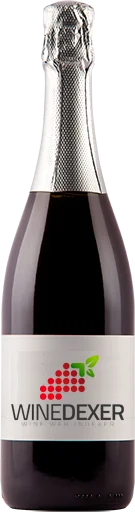
Winery ChandonFresco Perla Extra Dry
 Sparkling wine
This wine generally goes well with appetizers and snacks, lean fish or shellfish.

Food and wine pairings with Fresco Perla Extra Dry
Pairings that work perfectly with Fresco Perla Extra Dry



Original food and wine pairings with Fresco Perla Extra Dry

The Fresco Perla Extra Dry of Winery Chandon matches generally quite well with dishes of shellfish, appetizers and snacks or lean fish such as recipes of sea sauerkraut with white wine, chorizo rillettes or mongolian pot.
Details and technical informations about Winery Chandon's Fresco Perla Extra Dry.
Discover the grape variety: Welschriesling
Lively and aromatic dry whites with a pale golden robe, a supple palate and preserved acidity, with signature aromas of citrus (lemon), white flowers (acacia), almond and white-fleshed fruits. Also a pillar of botrytised dessert wines (Austrian TBA) — round and candied. Grown in Austria, northern Italy (Riesling Italico), Hungary (Olaszrizling), Croatia (Graševina) and Romania. Native Central European white grape with no genetic link to German Riesling.
Informations about the Winery Chandon
The Winery Chandon is one of of the world's greatest estates. It offers 84 wines for sale in the of California to come and discover on site or to buy online.

The wine region of California
Powerful, sunny reds: dense Napa Cabernet Sauvignon (blackcurrant, chocolate, tobacco, ample tannins), spicy, jammy Zinfandel from the Sierra Foothills, silky red-fruited Pinot Noir on the cool coast (Sonoma, Russian River, Central Coast). Opulent, buttery Chardonnay, notes of yellow fruit and vanilla. Varied climate, from the hot interior to the Pacific-cooled coast. 80% of US production, 139 AVAs including Napa (1st AVA, 1981).
The word of the wine: Bâtonnage
A very old technique that has come back into fashion in modern oenology, which consists of shaking the white wine in the barrels at the end of fermentation, or after fermentation, with a stick or a flail, in order to suspend the fine lees composed of yeasts at the end of their activity. This process is sometimes used for red wines.








