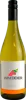
Winery TropperGelber Muskateller
 Red wine
This wine generally goes well with

Details and technical informations about Winery Tropper's Gelber Muskateller.
Discover the grape variety: Esther
Table grape with long clusters and golden berries with thin skin and crunchy flesh, a neutral sweet flavour. Early-ripening and productive. Very rarely vinified. Grown in North America for fresh local consumption, appreciated for its attractive appearance and good shelf life. Marginal outside its region of origin. American white table grape variety obtained by crossing for fresh consumption.
Informations about the Winery Tropper
The Winery Tropper is one of of the world's greatest estates. It offers 1 wines for sale in the of Steiermark to come and discover on site or to buy online.

The wine region of Steiermark
Austrian reference for lively, aromatic whites (75% of output). Star Sauvignon Blanc (qualitative banner of southern Styria): precise and taut with signature notes of gooseberry, grapefruit, nettle, cut grass and white pepper, an incisive finish. Fresh, lemony Welschriesling (the most planted), ample Morillon (Chardonnay), floral, muscat Muskateller. Spicy Schilcher rosé in West-Steiermark.
The wine region of Steirerland
Austrian Styria, the country's southernmost region around Graz down to the Slovenian border, vineyards on steep slopes up to 700 m, temperate southern climate. Signature Sauvignon Blanc as white king: lively and precise with notes of grapefruit, passion fruit, boxwood, elderflower and a mineral touch — mountain benchmark. Tense Welschriesling (green apple, citrus), ample Morillon (Chardonnay), floral Muskateller. Rustic Schilcher rosé from Blauer Wildbacher.
The word of the wine: Destemming
Action consisting in separating the grapes from the stalk before vinification. The stalk, the woody part of the bunch, may give the wine an unpleasant vegetal character.