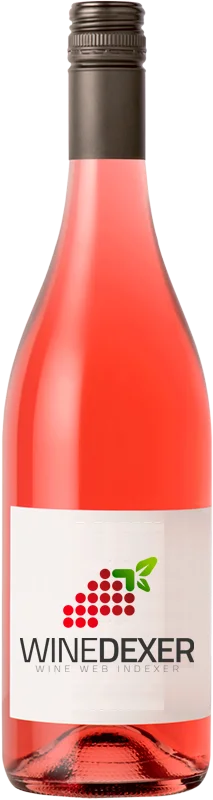
Winery Triple AIlunabarTxakoli Rosé
 Pink wine



This wine generally goes well with
The IlunabarTxakoli Rosé of the Winery Triple A is in the top 70 of wines of Getariako Txakolina.

Details and technical informations about Winery Triple A's IlunabarTxakoli Rosé.
Discover the grape variety: Perera
Lively and fruity dry whites with a pale golden robe, a supple palate with moderate acidity, showing signature aromas of white-fleshed fruits (pear, apple), white flowers and Venetian herbaceous notes. Also as taut and refreshing Charmat-method sparkling wines. Traditional component of Prosecco DOC and Conegliano Valdobbiadene Prosecco Superiore DOCG alongside Glera. Native white Italian grape from Veneto, grown in the province of Treviso.
Last vintages of this wine
The best vintages of IlunabarTxakoli Rosé from Winery Triple A are 0, 2017
Informations about the Winery Triple A
The Winery Triple A is one of of the world's greatest estates. It offers 2 wines for sale in the of Getariako Txakolina to come and discover on site or to buy online.

The wine region of Getariako Txakolina
Basque DO on the Cantabrian coast of Guipúzcoa (~430 ha around Getaria), humid Atlantic climate facing the ocean. Hondarrabi Zuri white king (>95%): pétillant and saline with citrus, green apple, white flowers, sea spray and lemon zest, refreshing at just 10-11° alcohol — theatrically poured in a cascade (escanciado). Light red Hondarrabi Beltza, Petit Courbu and Manseng complementary. Sparkling Basque aperitif identity.
The wine region of El Pais Vasco
Spanish Basque Country (Euskadi) on the Cantabrian coast near Bilbao, humid oceanic climate. Hondarrabi Zuri is the signature white for Txakoli: dry, lively and slightly sparkling with citrus, green apple, white flowers and saline iodine notes, cutting acidity and low alcohol - poured from height to release the pétillant, the pintxos companion. Hondarrabi Beltza for light reds and crisp rosés. Three DOs: Getariako, Bizkaiko and Arabako Txakolina.
The word of the wine: Lies
A deposit formed by dead yeast after fermentation. Some white wines are aged on their lees, which makes their aromas and structure more complex and richer.