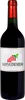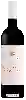
Winery Tripe.IscariotMarrow
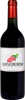
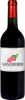
 Red wine
This wine generally goes well with poultry, beef or lamb.

Food and wine pairings with Marrow
Pairings that work perfectly with Marrow



Original food and wine pairings with Marrow


The Marrow of Winery Tripe.Iscariot matches generally quite well with dishes of beef, lamb or spicy food such as recipes of picadillo, sauté of lamb or chicken colombo (west indies).
Details and technical informations about Winery Tripe.Iscariot's Marrow.
Discover the grape variety: Malbec
Deep, velvety reds with an intense purple colour, showing aromas of blackberry, black plum, violet, cocoa and gentle spice. Round tannins, fleshy palate, peppery length. Star of Cahors AOC (Côt, Auxerrois) in France and the absolute signature of Mendoza, Argentina (Uco Valley, Luján de Cuyo). A French South-West variety that became the Argentine emblem after its post-phylloxera decline.
Informations about the Winery Tripe.Iscariot
The Winery Tripe.Iscariot is one of of the world's greatest estates. It offers 9 wines for sale in the of Margaret River to come and discover on site or to buy online.

The wine region of Margaret River
Australia's south-western tip between Cape Naturaliste and Leeuwin: signature Cabernet Sauvignon as red king (~33%, the "Australian Bordeaux") — structured and elegant with notes of blackcurrant, blackberry, cedar, mint and a peppery touch, firm tannins. Racy mineral Chardonnay (citrus, white peach, hazelnut butter, like Burgundy). Lively Sauvignon-Sémillon in signature blend. Mediterranean climate tempered by two oceans, red laterites and limestone.
The wine region of Australie de l'Ouest
Australian premium on Margaret River. Signature Bordeaux Cabernet-Merlot blends in red: deep and refined with notes of ripe blackcurrant, eucalyptus, cedar and graphite, firm tannins and great ageing, often compared to Médoc. Chardonnay rated Australia's best: taut, saline and mineral (lemon, hazelnut, brioche). Lively Sauvignon-Sémillon (citrus, cut grass).
The word of the wine: Disgorging (champagne)
This is the evacuation of the deposit formed by the yeasts during the second fermentation in the bottle, by opening the bottle. The missing volume is completed with the liqueur de dosage - a mixture of wine and cane sugar - before the final cork is placed. For some years now, some producers have been replacing this sugar with rectified concentrated musts (concentrated grape juice) which give excellent results. A too recent dosage (less than three months) harms the gustatory harmony of the champagne.