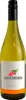
Winery TringarioMil Botellas Rosé
 Pink wine



This wine generally goes well with
Details and technical informations about Winery Tringario's Mil Botellas Rosé.
Discover the grape variety: Etraire de la Dui
Etraire de la Dui is a black grape variety, originating from the department of Isère. It is so similar to the Persian that many people have difficulty differentiating between them. This resemblance has earned it the nickname "gros persan". This grape variety is now in danger of extinction. It is only cultivated on 10ha. The leaves of the Dui are large and have convex teeth. Its bunches and berries are generally large. A vigorous variety, it is quite productive and prefers a short pruning. This plant appreciates deep, clay-limestone soils. With an average budburst, it reaches maturity in the second half of the year. It fears winter frosts and is susceptible to shattering, especially when fully ripe. On the other hand, it defends itself well against powdery mildew and grey rot. This variety produces concentrated, colorful and tannic wines. Some of them are astringent when the grape variety is too ripe.
Last vintages of this wine
The best vintages of Mil Botellas Rosé from Winery Tringario are 2016, 0
Informations about the Winery Tringario
The Winery Tringario is one of of the world's greatest estates. It offers 9 wines for sale in the of Colchagua Valley to come and discover on site or to buy online.

The wine region of Colchagua Valley
The wine region of Colchagua Valley is located in the region of Rapel Valley of Central Valley of Chile. We currently count 487 estates and châteaux in the of Colchagua Valley, producing 2420 different wines in conventional, organic and biodynamic agriculture. The wines of Colchagua Valley go well with generally quite well with dishes .
The wine region of Central Valley
The Central Valley (El Valle Central) of Chile is one of the most important wine-producing areas in South America in terms of Volume. It is also one of the largest wine regions, stretching from the Maipo Valley (just south of Santiago) to the southern end of the Maule Valley. This is a distance of almost 250 miles (400km) and covers a number of Climate types. The Central Valley wine region is easily (and often) confused with the geological Central Valley, which runs north–south for more than 620 miles (1000km) between the Pacific Coastal Ranges and the lower Andes.
The word of the wine: Consistency
In tasting, it is the equivalent of chewing (the chewiness of a tannic red wine is also mentioned). We then speak of firmness, fluidity, softness, hardness, and why not the crunchiness of an early wine by reference to the grape.