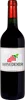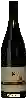
Winery La TravaMossiere Bak
 Red wine



In the mouth this red wine is a powerful with a lot of tannins present in the mouth.
This wine generally goes well with beef, game (deer, venison) or lamb.

Taste structure of the Mossiere Bak from the Winery La Trava
Light | Bold | |
Smooth | Tannic | |
Dry | Sweet | |
Soft | Acidic |
In the mouth the Mossiere Bak of Winery La Trava in the region of Piedmont is a powerful with a lot of tannins present in the mouth.
Food and wine pairings with Mossiere Bak
Pairings that work perfectly with Mossiere Bak



Original food and wine pairings with Mossiere Bak

The Mossiere Bak of Winery La Trava matches generally quite well with dishes of beef, pasta or lamb such as recipes of fillet of beef in a foie gras and truffle crust, pasta with crispy parma ham or sweet and sour braised leg of lamb.
Details and technical informations about Winery La Trava's Mossiere Bak.
Discover the grape variety: Canner seedless
Table grape with long clusters and seedless golden berries, thin skin and crunchy flesh, neutral sweet flavour. Early ripening. Very rarely vinified. Grown in California, Australia and Chile for export markets, prized for its attractive appearance, pleasant taste and good cold-storage life. American seedless white table grape variety bred for fresh consumption.
Last vintages of this wine
The best vintages of Mossiere Bak from Winery La Trava are 0
Informations about the Winery La Trava
The Winery La Trava is one of of the world's greatest estates. It offers 18 wines for sale in the of Piedmont to come and discover on site or to buy online.

The wine region of Piedmont
Kingdom of Nebbiolo: Barolo and Barbaresco DOCG, long-ageing reds with firm tannins and lively acidity, complex aromas of withered rose, sour cherry, tar, truffle and undergrowth. More accessible, tangy Barbera on red fruit, supple, crisp Dolcetto. Sweet, floral sparkling Moscato d'Asti, mineral, lemony Gavi (Cortese) white, round, almondy Arneis from Roero. 50,000 ha across the Langhe, Roero and Monferrato, UNESCO.
The word of the wine: Phenolic ripeness
A distinction is made between the ripeness of sugars and acids and the ripeness of tannins and other compounds such as anthocyanins and tannins, which will bring structure and colour. Grapes can be measured at 13° potential without having reached this phenolic maturity. Vinified at this stage, they will give hard, astringent wines, without charm.