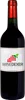
Winery ThürkindGrauburgunder Trocken
 White wine
In the mouth this white wine is a .
This wine generally goes well with pork, cured meat or mushrooms.

Taste structure of the Grauburgunder Trocken from the Winery Thürkind
Light | Bold | |
Dry | Sweet | |
Soft | Acidic |
In the mouth the Grauburgunder Trocken of Winery Thürkind in the region of Saale-Unstrut is a .
Food and wine pairings with Grauburgunder Trocken
Pairings that work perfectly with Grauburgunder Trocken


Original food and wine pairings with Grauburgunder Trocken

The Grauburgunder Trocken of Winery Thürkind matches generally quite well with dishes of pork, spicy food or mushrooms such as recipes of rabbit with hunter's sauce, monkfish armorican style or chicken noodles.
Details and technical informations about Winery Thürkind's Grauburgunder Trocken.
Discover the grape variety: Valérien
Simple, fresh dry whites with a pale golden robe, supple palate with moderate acidity, showing understated citrus and white flower aromas. Discreet rustic southern profile. Nearly extinct, preserved in INRAE variety collections for its heritage value, it reflects the pre-phylloxera ampelographic diversity of south-eastern France. Rare French white variety, formerly grown in the south-east.
Informations about the Winery Thürkind
The Winery Thürkind is one of of the world's greatest estates. It offers 22 wines for sale in the of Saale-Unstrut to come and discover on site or to buy online.

The wine region of Saale-Unstrut
Germany's northernmost region (Saxony-Anhalt), ~650 ha. Nordic whites that are dry, lively and mineral with signature notes of green apple, citrus, white flowers, fresh herbs and a crisp finish — a direct, thirst-quenching style. Dominant Muller-Thurgau (~22%) light and floral, Weissburgunder (Pinot Blanc) round and precise, herbaceous Silvaner and taut Riesling. Early grapes suited to the harsh continental climate.
The word of the wine: Pigeage
Operation consisting of a vertical treading to push the cap of marc into the wine, which promotes extraction. Pigeage can be carried out mechanically with jacks that plunge into the vat. Traditionally, it is the men who go down into the vats and push the cap by trampling it.