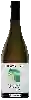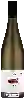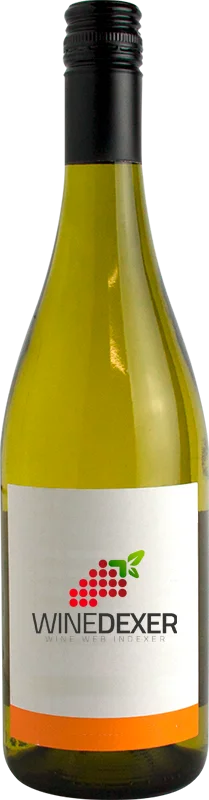
Winery Third ChildTea Tree Riesling
 White wine


In the mouth this white wine is a with a nice freshness.
This wine generally goes well with pork, poultry or appetizers and snacks.

Taste structure of the Tea Tree Riesling from the Winery Third Child
Light | Bold | |
Dry | Sweet | |
Soft | Acidic |
In the mouth the Tea Tree Riesling of Winery Third Child in the region of Tasmanie is a with a nice freshness.
Food and wine pairings with Tea Tree Riesling
Pairings that work perfectly with Tea Tree Riesling



Original food and wine pairings with Tea Tree Riesling


The Tea Tree Riesling of Winery Third Child matches generally quite well with dishes of pork, shellfish or poultry such as recipes of quiche with bacon and gruyère cheese, sautéed squid with parsley or endive frichti.
Details and technical informations about Winery Third Child's Tea Tree Riesling.
Discover the grape variety: Riesling
Crystalline, taut whites with vibrant acidity and aromas of citrus, green apple, white flowers, vineyard peach and mineral/petrol notes with age. Made as dry (Trocken, Alsace), off-dry (Kabinett, Spätlese) and sweet (Auslese, Beerenauslese, Trockenbeerenauslese, late harvest). Star of the Moselle, Rheingau, Alsace AOC and Wachau. Also exported to Clare Valley and Finger Lakes.
Last vintages of this wine
The best vintages of Tea Tree Riesling from Winery Third Child are 0
Informations about the Winery Third Child
The Winery Third Child is one of of the world's greatest estates. It offers 3 wines for sale in the of Tasmanie to come and discover on site or to buy online.

The wine region of Tasmanie
Cool austral island south of Australia, a cool-climate benchmark. Signature Pinot Noir: fine, fresh reds with notes of red cherry, raspberry, wild strawberry and spices, delicate tannins and taut acidity — often compared to Burgundy. Precise, mineral Chardonnay (lemon, brioche), vibrant dry Riesling. Renowned speciality: refined traditional-method sparklers, among the best outside France.
The word of the wine: Anthocyanins
Phenolic compounds present in the skin of grapes that give colour to red wines during maceration.