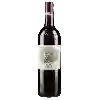
Winery Theodore BellemerAmour de Fagati
 Red wine
This wine generally goes well with poultry, beef or veal.
Food and wine pairings with Amour de Fagati
Pairings that work perfectly with Amour de Fagati



Original food and wine pairings with Amour de Fagati

The Amour de Fagati of Winery Theodore Bellemer matches generally quite well with dishes of beef, veal or game (deer, venison) such as recipes of dombrés and pig tails, tournedos rossini with port sauce or duck aiguillettes.
Details and technical informations about Winery Theodore Bellemer's Amour de Fagati.
Discover the grape variety: Manseng noir
Manseng noir is a grape variety from the western Pyrenees, close to tannat, a famous grape variety from southwest France. It is also called mansein, mansec or mancep in the Lot. It has been around since the 13th century and has given rise to Petit Manseng and Gros Manseng, two varieties of the same family but with quite different characteristics. Manseng noir remains essential for the AOC Béarn, where it is grown on about ten hectares. However, Manseng noir is a vigorous, productive and disease-resistant grape variety. It gives wines with a colourful robe, powerful, with aromas of black fruits and mushrooms, quite fine and with an interesting ageing potential.
Informations about the Winery Theodore Bellemer
The Winery Theodore Bellemer is one of wineries to follow in Bordeaux.. It offers 3 wines for sale in the of Bordeaux to come and discover on site or to buy online.

The wine region of Bordeaux
Bordeaux, in southwestern France, is one of the most famous, prestigious and prolific wine regions in the world. The majority of Bordeaux wines (nearly 90% of the production Volume) are the Dry, medium and Full-bodied red Bordeaux blends for which it is famous. The finest (and most expensive) are the wines of the great châteaux of Haut-Médoc and the right bank appellations of Saint-Émilion and Pomerol. The former focuses (at the highest level) on Cabernet Sauvignon, the latter on Merlot.
The word of the wine: Wooded
A set of aromas brought about by ageing in barrels (usually oak). This can be pleasant when, in small doses, it brings a touch of spice, roast or vanilla to an already constructed ensemble. When the violent woodiness dominates the wine, it is quickly tiring. Easily identifiable aromatically, it is sought after (to the point of abuse) by the makers of coarse wines. New World manufacturers and, alas, some French winemakers use oak chips to impart the woody taste, which is tantamount to artificial flavoring.