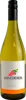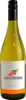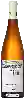
Winery Theo J. KreisHallgartener Hendelberg Riesling Spätlese
 wine
wine
This wine generally goes well with
The Hallgartener Hendelberg Riesling Spätlese of the Winery Theo J. Kreis is in the top 0 of wines of Rheingau.
Details and technical informations about Winery Theo J. Kreis's Hallgartener Hendelberg Riesling Spätlese.
Discover the grape variety: Merlot noir
This grape variety most certainly originates from the Bordeaux region and is registered in the Official Catalogue of vine varieties, list A1. According to genetic analyses carried out in Montpellier (Hérault), it is the result of a cross between the magdeleine noire des Charentes and the cabernet franc. It should also be noted that it is the half-brother of the côt or malbec and that it is not the black form of the white merlot, but its resemblance reminds us that it is indeed a descendant.
Informations about the Winery Theo J. Kreis
The Winery Theo J. Kreis is one of of the world's greatest estates. It offers 23 wines for sale in the of Rheingau to come and discover on site or to buy online.

The wine region of Rheingau
Rheingau is one of the most important of Germany's 13 Anbaugebiete wine regions. However it is far from the biggest; with 3,076 hectares (7,600 acres) of Vineyard">Vineyards documented in 2012, its output is around one tenth of that from the Pfalz and Rheinhessen regions. Located on the Rhine a 20-minute drive west of Frankfurt, the -gau suffix denotes that it was once a county of the Frankish Empire. The classic Rheingau wine is a DryRiesling with pronounced Acidity and aromas of citrus fruits and smoke-tinged minerality – typically more "masculine" than its equivalent from the Mosel.
The word of the wine: Grand Cru
In Burgundy, the fourth and final level of classification (above the regional, communal and premier cru appellations), designating the wines produced on delimited plots of land (the climats) whose name alone constitutes the appellation. The climats classified as Grand Cru are 32 in the Côte d'Or plus one in Chablis which is divided into 7 distinct climats. Representing barely 1.5% of the production, the Grand Crus are the aristocracy of Burgundy wines.