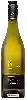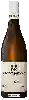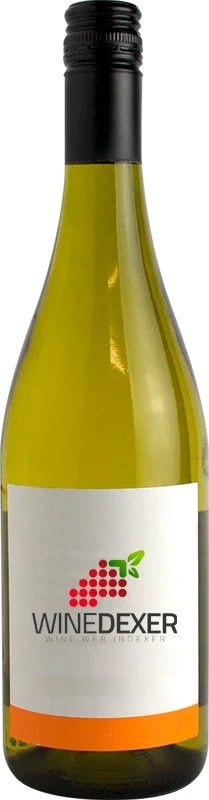
Winery The GooseChenin Blanc
 White wine


In the mouth this white wine is a with a nice freshness.
This wine generally goes well with lean fish, shellfish or mild and soft cheese.

Taste structure of the Chenin Blanc from the Winery The Goose
Light | Bold | |
Dry | Sweet | |
Soft | Acidic |
In the mouth the Chenin Blanc of Winery The Goose in the region of Western Cape is a with a nice freshness.
Wine flavors and olphactive analysis



On the nose the Chenin Blanc of Winery The Goose in the region of Western Cape often reveals types of flavors of tree fruit.
Food and wine pairings with Chenin Blanc
Pairings that work perfectly with Chenin Blanc



Original food and wine pairings with Chenin Blanc

The Chenin Blanc of Winery The Goose matches generally quite well with dishes of shellfish, spicy food or lean fish such as recipes of soupions à la provençale, chicken legs and changing or fish fillets in papillotes.
Details and technical informations about Winery The Goose's Chenin Blanc.
Discover the grape variety: Chenin blanc
Chameleon whites with taut acidity, ranging from mineral dry (Savennières, Vouvray sec) to off-dry and medium-sweet (Vouvray, Montlouis), sumptuous botrytised sweet (Quarts-de-Chaume, Bonnezeaux, Coteaux du Layon) and brilliant sparkling (Crémant de Loire, Vouvray brut). Aromas of quince, apple, honey, white flowers, beeswax and flint. An Anjou variety, also star of South Africa's Western Cape.
Last vintages of this wine
The best vintages of Chenin Blanc from Winery The Goose are 2017, 0
Informations about the Winery The Goose
The Winery The Goose is one of of the world's greatest estates. It offers 11 wines for sale in the of Western Cape to come and discover on site or to buy online.

The wine region of Western Cape
Cradle of South African wine. Signature Chenin Blanc (Steen, 20%) in ample, fresh whites with notes of quince, yellow apple, honey and acacia flower, from crisp dry to sweet. Sharp, iodised Sauvignon Blanc (Walker Bay, Constantia), balanced Chardonnay. Reds: emblematic Pinotage with roasted aromas (coffee, plum, smoke), firm Cabernet Sauvignon, spicy Syrah.
The word of the wine: Chaptalization
The addition of sugar at the time of fermentation of the must, an ancient practice, but theorized by Jean-Antoine Chaptal at the dawn of the 19th century. The sugar is transformed into alcohol and allows the natural degree of the wine to be raised in a weak or cold year, or - more questionably - when the winegrower has a harvest that is too large to obtain good maturity.