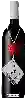
Winery TeperbergProvidence Dry Red
 Red wine


This wine generally goes well with

Details and technical informations about Winery Teperberg's Providence Dry Red.
Discover the grape variety: Dornfelder
Intensely coloured, fruity reds with a dense purple robe, soft tannins and a generous palate, with aromas of black cherry, blackberry, plum and floral notes. Made as light easy-drinking reds, popular semi-dry cuvées and more structured barrel-aged versions. The second most planted red variety in Germany (Palatinate, Rheinhessen, Württemberg). Cross of helfensteiner × heroldrebe created in 1955 in Weinsberg by August Herold.
Last vintages of this wine
The best vintages of Providence Dry Red from Winery Teperberg are 0
Informations about the Winery Teperberg
The Winery Teperberg is one of of the world's great estates. It offers 85 wines for sale in the of Judean Hills to come and discover on site or to buy online.

The wine region of Judean Hills
Qualitative heart of Israeli wine around Jerusalem, the country's first official AO (2020). Dense, structured reds with signature notes of ripe blackcurrant, blackberry, mint, eucalyptus, Mediterranean herbs and spice, firm tannins and freshness tightened by altitude. Cabernet Sauvignon and Merlot in Bordeaux blends. Also peppery Syrah, dense Petit Verdot.
The word of the wine: Fendant
See chasselas.