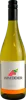
Winery Tenuta di ForciPanterino Vermentino
 wine
wine
This wine generally goes well with
The Panterino Vermentino of the Winery Tenuta di Forci is in the top 0 of wines of Colline Lucchesi.

Details and technical informations about Winery Tenuta di Forci's Panterino Vermentino.
Discover the grape variety: Passerina
Lively, aromatic dry whites with a pale golden robe, an elegant palate and preserved acidity, with signature aromas of citrus (lemon, grapefruit), white flowers (acacia), white-fleshed fruits (apple, pear) and Adriatic saline notes. Also vinified as sparkling and passito. Star of Offida Passerina DOCG in the Marches, the identity of modern Adriatic whites. Italian autochthonous variety from the Marches, Abruzzo and Lazio.
Informations about the Winery Tenuta di Forci
The Winery Tenuta di Forci is one of of the world's greatest estates. It offers 7 wines for sale in the of Colline Lucchesi to come and discover on site or to buy online.

The wine region of Colline Lucchesi
Tuscan DOC (1968) on hills north and east of Lucca, between the Apennines and Tyrrhenian Sea, temperate climate with cool nights and long growing season. Sangiovese the signature red (45-80% of Rosso): refined and fruity with cherry, raspberry, violet, herbs and spice, firm tannins and lively acidity — blended with Canaiolo, Ciliegiolo, Merlot and Syrah. Vermentino white, taut with citrus notes. Trebbiano, Malvasia and Chardonnay.
The wine region of Tuscany
Kingdom of Sangiovese: upright reds with cherry, plum, dried herbs and leather, lively acidity and firm tannins. Fleshy, food-friendly Chianti Classico DOCG, deep long-ageing Brunello di Montalcino (spice, tobacco, ripe black fruit), elegant Vino Nobile di Montepulciano. On the coast, Bolgheri crafts the opulent Cabernet- and Merlot-based 'Super Tuscans'. Some fresh white Vernaccia.
The word of the wine: Tartar (deposit)
White, chalky deposits that occur as a result of precipitation inside bottles and are often considered by consumers as a defect. They are in fact tartaric salts formed by tartaric acid, potassium and calcium naturally present in the wine. This deposit does not alter the quality of the wine and can be eliminated by a simple decanting.