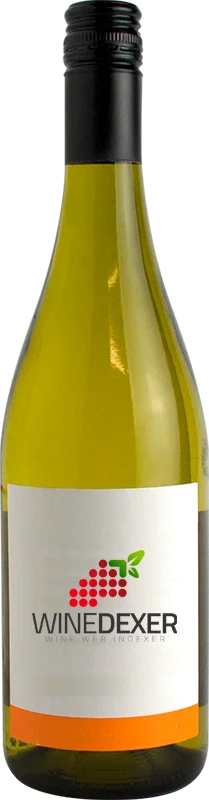
Winery TemplarskeGold Collection Frankovka Pozdní Sbèr
 Sweet wine


This wine generally goes well with pork, rich fish (salmon, tuna etc) or mature and hard cheese.

Food and wine pairings with Gold Collection Frankovka Pozdní Sbèr
Pairings that work perfectly with Gold Collection Frankovka Pozdní Sbèr



Original food and wine pairings with Gold Collection Frankovka Pozdní Sbèr

The Gold Collection Frankovka Pozdní Sbèr of Winery Templarske matches generally quite well with dishes of pork, rich fish (salmon, tuna etc) or mature and hard cheese such as recipes of barbecued filet mignon, sun burger or avocado, tomato and sheep's tomato salad.
Details and technical informations about Winery Templarske's Gold Collection Frankovka Pozdní Sbèr.
Discover the grape variety: Trebbiano
Fresh, thirst-quenching dry whites with a pale robe, a supple palate and preserved acidity of simple citrus (lemon), green apple, white flowers and neutral notes. A light profile to drink young. A family with several varieties (Toscano, Romagnolo, d'Abruzzo, Giallo), pillar of everyday Italian whites (Orvieto DOC, Frascati DOC, Trebbiano d'Abruzzo DOC). Exported to France as ugni blanc for Cognac and Armagnac distillation.
Last vintages of this wine
The best vintages of Gold Collection Frankovka Pozdní Sbèr from Winery Templarske are 2011, 0
Informations about the Winery Templarske
The Winery Templarske is one of of the world's great estates. It offers 63 wines for sale in the of Morava to come and discover on site or to buy online.

The wine region of Morava
Predominantly white region, lively and mineral: crisp, peppery Grüner Veltliner, taut Riesling with citrus, supple, floral Müller-Thurgau, aromatic Pálava, the local signature (muscat, white flowers). More discreet reds: spicy Frankovka (Blaufränkisch) with black fruits, fine, silky Saint Laurent. Temperate continental climate, 4 sub-regions: Mikulov, Velké Pavlovice, Znojmo, Slovácko. ~96% of the Czech vineyard, 73 grapes grown.
The word of the wine: Effervescent
Any wine loaded with CO2 (carbon dioxide), which is revealed in the form of bubbles, reinforcing the freshness effect in the mouth. This gas production is the result of what is called the second fermentation in the bottle. It occurs in champagnes and sparkling wines such as crémants.