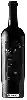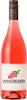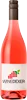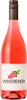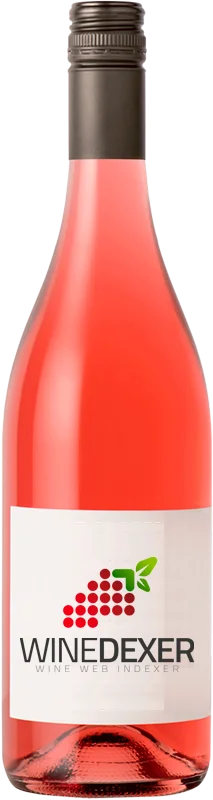
Winery SyroseLeytron Valais Rose De Syrah
 Pink wine



This wine generally goes well with beef, lamb or mature and hard cheese.

Food and wine pairings with Leytron Valais Rose De Syrah
Pairings that work perfectly with Leytron Valais Rose De Syrah



Original food and wine pairings with Leytron Valais Rose De Syrah

The Leytron Valais Rose De Syrah of Winery Syrose matches generally quite well with dishes of beef, lamb or spicy food such as recipes of cornish pasties, greek-style shepherd's pie or pasta with broccoli.
Details and technical informations about Winery Syrose's Leytron Valais Rose De Syrah.
Discover the grape variety: Elbling
Crisp, light dry whites with a pale robe, slender palate and cutting acidity, showing delicate aromas of lemon, green apple, white flowers, fresh-cut grass and mineral, slaty notes. Often vinified as sparkling (Sekt, Crémant) where its nerviness shines. Star of the Luxembourg Upper Moselle schist slopes (Elbling AOP) and the upper German Mosel. Very old Germanic variety, probably introduced by the Romans.
Last vintages of this wine
The best vintages of Leytron Valais Rose De Syrah from Winery Syrose are 0
Informations about the Winery Syrose
The Winery Syrose is one of of the world's greatest estates. It offers 1 wines for sale in the of Valais to come and discover on site or to buy online.

The wine region of Valais
Switzerland's largest vineyard, capital of native grapes. Straight, precise alpine whites: light, floral Chasselas (Fendant), signature Petite Arvine with saline, grapefruit and rhubarb notes, rich, apricoty Amigne, mineral Humagne Blanche. Altitude reds: fine Pinot Noir, crisp Gamay, native Cornalin and Humagne Rouge, spicy and deep. Highly precise alpine age-worthy wines.
The word of the wine: Presses
The juice that results from pressing the grapes after fermentation. At the end of the maceration, the vats are emptied, the first juice obtained is called the free-run wine and the marc remaining at the bottom of the vat is then pressed to give the press wine. We say more quickly "the presses". Their quality varies according to the vintage and the maceration. A too vigorous extraction releases the tannins of pips and the wine of press can then prove to be very astringent. Often the winemaker raises it separately, deciding later whether or not to incorporate it totally or partially into the grand vin.