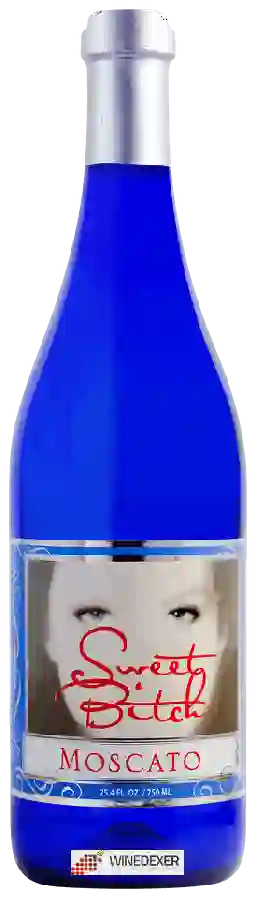
Winery Sweet BitchMoscato
 White wine


This wine generally goes well with beef and mature and hard cheese.

Wine flavors and olphactive analysis


On the nose the Moscato of Winery Sweet Bitch in the region of Aconcagua often reveals types of flavors of earth, tree fruit or citrus fruit and sometimes also flavors of tropical fruit.
Food and wine pairings with Moscato
Pairings that work perfectly with Moscato


Original food and wine pairings with Moscato
The Moscato of Winery Sweet Bitch matches generally quite well with dishes of beef or mature and hard cheese such as recipes of greek moussaka or ravioles from champsaur.
Details and technical informations about Winery Sweet Bitch's Moscato.
Discover the grape variety: Ignéa
Simple, dry grey-white wines with a pale rosé hue and coppery skin, a supple palate with moderate acidity, showing understated aromas of citrus and white flowers. Rustic southern profile. Almost disappeared from commercial cultivation, preserved in INRAE varietal collections, it testifies to the pre-phylloxera ampelographic diversity of the southern vineyard. Native French grey variety, formerly grown in the south-east.
Last vintages of this wine
The best vintages of Moscato from Winery Sweet Bitch are 2015, 2013, 0
Informations about the Winery Sweet Bitch
The Winery Sweet Bitch is one of of the world's greatest estates. It offers 9 wines for sale in the of Aconcagua to come and discover on site or to buy online.

The wine region of Aconcagua
Chilean valley at the foot of the highest summit of the Americas (6,960 m), hot dry climate tempered by Pacific breezes, altitude vineyards up to 1,600 m. Signature Cabernet Sauvignon as red king: powerful with blackcurrant, blackberry, black cherry, eucalyptus, cedar, tobacco and peppery touch, firm tannins and exceptional ageing — home of Errazuriz (1870) and great Chileans (Sena, Don Maximiano). Dense Syrah, spiced Carmenere and supple Merlot as complements.
The word of the wine: Bâtonnage
A very old technique that has come back into fashion in modern oenology, which consists of shaking the white wine in the barrels at the end of fermentation, or after fermentation, with a stick or a flail, in order to suspend the fine lees composed of yeasts at the end of their activity. This process is sometimes used for red wines.