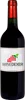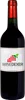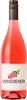
Winery Sumsare FamilyBrandewijn
 wine
wine
This wine generally goes well with
The Brandewijn of the Winery Sumsare Family is in the top 0 of wines of Robertson.
Details and technical informations about Winery Sumsare Family's Brandewijn.
Discover the grape variety: Floreal
A wine grape variety of the INRA-Resdur1 series with polygenic resistance (two genes for mildew and powdery mildew have been identified), resulting from an interspecific cross between Villaris and Mtp 3159-2-12 (for the latter, one of its parents is Vitis rotundifolia, which is resistant to Pierce's disease, mildew, grey rot, etc.). Little multiplied, it is registered in the Official Catalogue of wine grape varieties list A1.
Informations about the Winery Sumsare Family
The Winery Sumsare Family is one of wineries to follow in Robertson.. It offers 7 wines for sale in the of Robertson to come and discover on site or to buy online.

The wine region of Robertson
The wine region of Robertson is located in the region of Breede River Valley of Western Cape of South Africa. Wineries and vineyards like the Domaine Springfield Estate or the Domaine Springfield Estate produce mainly wines red, white and sparkling. The most planted grape varieties in the region of Robertson are Chardonnay, Cabernet-Sauvignon and Pinot noir, they are then used in wines in blends or as a single variety. On the nose of Robertson often reveals types of flavors of cream, straw or fresh strawberries and sometimes also flavors of brioche, cranberry or lemon grass.
The wine region of Western Cape
The Western Cape is home to the vast majority of the South African wine industry, and the country's two most famous wine regions, Stellenbosch and Paarl. The city of Cape Town serves as the epicenter of the Cape Winelands, a mountainous, biologically diverse area in the south-western corner of the African continent. A wide variety of wines are produced here. Wines from the Shiraz and Pinotage">Pinotage grape varieties can be fresh and juicy or Full-bodied and gutsy.
The word of the wine: Water stress
Lack of water. Water stress blocks the vegetative cycle of the vine, which uses all available resources to maintain the integrity of the plant, thus blocking the ripening process of the grapes.