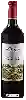
Winery Stuhlmuller VineyardsBlock Eleven North Cabernet Sauvignon
 wine
wine
This wine generally goes well with
The Block Eleven North Cabernet Sauvignon of the Winery Stuhlmuller Vineyards is in the top 0 of wines of Alexander Valley.

Details and technical informations about Winery Stuhlmuller Vineyards's Block Eleven North Cabernet Sauvignon.
Discover the grape variety: Carignan
Intensely coloured and powerful reds with a deep colour, firm tannins and high acidity, on aromas of blackberry, blackcurrant, plum, garrigue, pepper, liquorice and balsamic notes. Old vines (>50 years, often centenary) yield exceptional cuvées. A historical pillar of Languedoc-Roussillon blends (Corbières, Minervois, Fitou, Maury) and star of Catalan Priorat under the name Cariñena. Very late-ripening variety from Aragon, also called Mazuelo in Rioja.
Informations about the Winery Stuhlmuller Vineyards
The Winery Stuhlmuller Vineyards is one of of the world's great estates. It offers 24 wines for sale in the of Alexander Valley to come and discover on site or to buy online.

The wine region of Alexander Valley
Sonoma's warmest AVA on gravelly soils: signature Cabernet Sauvignon as king (>50% of plantings) — powerful, elegant reds with ripe black fruits, dry herbs and tobacco, velvety tannins and fresh acidity, long ageing. Bordeaux blends with Merlot, Cabernet Franc, Petit Verdot and Malbec for structure and complexity. Also old-vine Zinfandel, balanced Merlot and Chardonnay. AVA recognised in 1984 in the Russian River valley, ripe tannic identity.
The wine region of California
Powerful, sunny reds: dense Napa Cabernet Sauvignon (blackcurrant, chocolate, tobacco, ample tannins), spicy, jammy Zinfandel from the Sierra Foothills, silky red-fruited Pinot Noir on the cool coast (Sonoma, Russian River, Central Coast). Opulent, buttery Chardonnay, notes of yellow fruit and vanilla. Varied climate, from the hot interior to the Pacific-cooled coast. 80% of US production, 139 AVAs including Napa (1st AVA, 1981).
The word of the wine: Flavours (families of)
Aromas are classified into categories called families of aromas: fruity, floral, fermentative, vegetal, woody, balsamic, spicy, mineral, empyreumatic, animal.