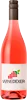
Winery Stringer CellarsBabbling Brook Rosé of Grenache
 wine
wine
This wine generally goes well with
The Babbling Brook Rosé of Grenache of the Winery Stringer Cellars is in the top 0 of wines of Sonoma Valley.

Details and technical informations about Winery Stringer Cellars's Babbling Brook Rosé of Grenache.
Discover the grape variety: Dimiat
Aromatic and fresh dry whites with a pale golden hue, a supple palate with preserved acidity, and signature floral aromas (rose, white flowers), citrus and muscat. Drink young. A pillar of Bulgarian whites, contributing to dry wines, traditional sparkling wines and Balkan distillates, also grown in North Macedonia. Autochthonous Bulgarian white grape, one of the most widely planted in Bulgaria.
Informations about the Winery Stringer Cellars
The Winery Stringer Cellars is one of of the world's great estates. It offers 14 wines for sale in the of Sonoma Valley to come and discover on site or to buy online.

The wine region of Sonoma Valley
Historic cradle of Californian viticulture (Mission 1823, Buena Vista 1857, AVA 1981): over 60 grapes planted, Cabernet Sauvignon the benchmark and heritage Zinfandel the signatures — rich reds with ripe black fruit, spice and velvety tannins. Historic Chardonnay and Merlot, Syrah, Grenache and Malbec complement. Valley between the Mayacamas and Sonoma Mountains, varied climate from cool maritime sectors to hotter northern ones. The county's oldest AVA, a heritage identity.
The wine region of California
Powerful, sunny reds: dense Napa Cabernet Sauvignon (blackcurrant, chocolate, tobacco, ample tannins), spicy, jammy Zinfandel from the Sierra Foothills, silky red-fruited Pinot Noir on the cool coast (Sonoma, Russian River, Central Coast). Opulent, buttery Chardonnay, notes of yellow fruit and vanilla. Varied climate, from the hot interior to the Pacific-cooled coast. 80% of US production, 139 AVAs including Napa (1st AVA, 1981).
The word of the wine: Passerillage
Concentration of the grape by drying out, under the influence of wind or sun, as opposed to botrytisation, which is the concentration obtained by the development of the "noble rot" for which Botrytis cinerea is responsible. The word is mainly used for sweet wines.