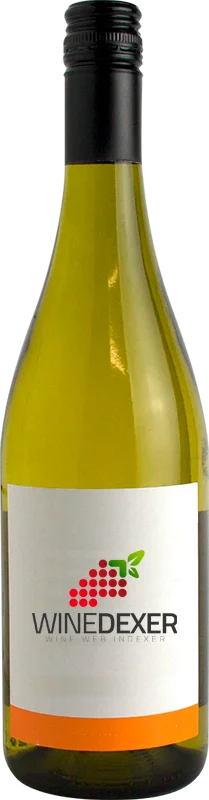
Winery StrapinaSauvignon Pozdní Sběr Polosuché
 White wine



This wine generally goes well with vegetarian, rich fish (salmon, tuna etc) or shellfish.
Food and wine pairings with Sauvignon Pozdní Sběr Polosuché
Pairings that work perfectly with Sauvignon Pozdní Sběr Polosuché



Original food and wine pairings with Sauvignon Pozdní Sběr Polosuché
The Sauvignon Pozdní Sběr Polosuché of Winery Strapina matches generally quite well with dishes of rich fish (salmon, tuna etc), shellfish or vegetarian such as recipes of tuna and goat cheese pie, cuttlefish with cider or spinach and goat cheese quiche.
Details and technical informations about Winery Strapina's Sauvignon Pozdní Sběr Polosuché.
Discover the grape variety: Artaban
Wine grape variety of the INRA-Resdur1 series with polygenic resistance (two genes for mildew and powdery mildew have been identified) resulting from an interspecific cross, obtained in 2000, between Mtp 3082-1-42 (one of its parents is Vitis rotundifolia, which is resistant to Pierce's disease, mildew, grey rot, etc.) and Regent. It is registered in the Official Catalogue of wine grape varieties list A1.
Last vintages of this wine
The best vintages of Sauvignon Pozdní Sběr Polosuché from Winery Strapina are 0
Informations about the Winery Strapina
The Winery Strapina is one of of the world's greatest estates. It offers 3 wines for sale in the of Morava to come and discover on site or to buy online.

The wine region of Morava
Moravia, with roughly 95 percent of the nation's Vine plantings, is the engine room of the Czech Republic's wine industry. The Center of intensively farmed bulk-wine production is also showing great promise as a producer of quality white wines. This is largely thanks to its cool Climate, comparable in many ways to that in Nahe or Pfalz, the white-wine specialists a few hundred miles west in Germany. Moravian winelands enjoy a Vineyard year well suited to the production of Complex aromatics with good Acidity.
The word of the wine: Malolactic fermentation
Called second fermentation or malo for short. It is the degradation (under the effect of bacteria) of the malic acid naturally present in the wine into milder, less aggressive lactic acid. Some producers or wineries refuse this operation by "blocking the malo" (by cold and adding SO2) to keep a maximum of acidity which carries the aromas and accentuates the sensation of freshness.